Understanding the Role of a Minneapolis Roofing Company: What Do Roofing Experts Do?

A roofing contractor is a skilled professional specializing in the installation, repair, and maintenance of roofs. They play an integral role in ensuring the structural integrity, safety, and appearance of your home or commercial building. Let’s delve into their essential responsibilities to better understand what they do.
Core Responsibilities of Roofing Contractors
- Installing new roofs for residential and commercial properties is one of their primary tasks.
- Contractors work with various roofing materials such as asphalt shingles, metal panels, tiles, or flat roofs to meet specific needs.
- Identifying leaks, damaged shingles, or structural issues and repairing them promptly to prevent further damage.
- Addressing storm damage or wear and tear caused by aging and ensuring long-term durability.
- Conducting routine inspections to assess potential problems before they escalate into costly repairs.
- Cleaning gutters, removing debris from rooftops, and checking for weak spots that may compromise the structure over time.
- Evaluating when repair work is no longer sufficient and advising on complete roof replacement options.
- Ensuring compliance with local building codes during the replacement process.
- Offering expert advice on roofing materials suited to the property’s design and environmental factors.
- Providing insights on energy-efficient roofing solutions like cool roofs or solar panel installations.
Skills & Expertise of Roofing Contractors
- Technical Knowledge: Expertise in handling diverse materials (asphalt shingles, slate tiles, wood shakes) ensures high-quality results tailored for different climates.
- Problem-Solving Skills: Ability to diagnose complex issues such as water penetration points or ventilation problems effectively.
- Safety Compliance: Trained to adhere strictly to safety standards while working at heights or using heavy tools.
- Project Management Abilities: Coordinating timelines, budgets, material acquisition, and workforce management are part of their responsibilities.
Benefits of Hiring a Professional Roofing Contractor
- Quality Assurance: Professional contractors deliver durable results backed by warranties on materials and workmanship.
- Time Efficiency: With specialized tools and expertise at their disposal, they complete projects faster than DIY methods might allow.
- Cost Savings Over Time: Proper installation reduces the need for frequent repairs down the line.
- Insurance Assistance: Experienced roofers can assist homeowners in navigating insurance claims related to storm damage.
Common Challenges They Address
| Issue | Solution Provided by Contractors |
| Leaks caused by aging materials | Comprehensive inspections followed by targeted repairs |
| Storm-related damages | Fast response services to minimize further deterioration |
| Poor insulation | Recommending energy-efficient roof designs |
| Improper previous installations | Corrective measures ensuring compliance with regulations |
Understanding what a roofing contractor does highlights their vital contribution to safeguarding your property’s longevity while enhancing curb appeal. Their expertise ensures peace of mind whether you’re installing a new roof or maintaining an existing one for years ahead.
Hiring a Reputable and Experienced Roofing Contractor Minneapolis MN for Your Home
When it comes to maintaining or replacing your roof, hiring a reputable and experienced roofing contractor like https://www.minneapolisroofingcompany.net is a decision that significantly impacts the quality, durability, and lifespan of your roof. With so many options available, choosing the right professional might seem daunting; however, understanding their value can make this choice clearer.
Why Does Experience Matter?
Experienced contractors bring years of hands-on knowledge to the table. Their expertise allows them to identify problems quickly and recommend effective solutions.
- High-Quality Materials: Experienced contractors understand which materials perform well in specific weather conditions and can recommend products suited for your location.
- Fewer Errors: Professionals with years of practice are less likely to make costly mistakes during installation or repairs.
- Problem-Solving Skills: A seasoned contractor has likely seen a variety of roofing issues in the past and knows how to handle unexpected challenges effectively.
The Benefits of Reputation
Reputation serves as a critical indicator of a contractor’s reliability and workmanship. A well-regarded roofer is more likely to prioritize customer satisfaction.
- Proven Track Record: Contractors with strong reputations often have portfolios showcasing their previous work, making it easier for you to assess their capabilities.
- Positive Customer Reviews: Reading testimonials from past clients provides insights into how the contractor handles projects, communicates timelines, and resolves issues.
- Accountability: Reputable roofers are more likely to stand by their work, offering warranties or guarantees on services provided.
Questions to Ask Before Hiring
- Are you licensed and insured?
- Can you provide references from past clients?
- Do you offer warranties on materials or labor?
- What safety measures do you follow on job sites?
- How do you handle unexpected issues that arise during a project?
Red Flags When Choosing Contractors
Avoiding untrustworthy contractors can save you time, money, and frustration down the line.
- Lack of licensing or insurance coverage
- Reluctance to provide written estimates
- High-pressure sales tactics
- Unreasonable payment terms (e. g.
| Feature | Trustworthy Contractor | Unreliable Contractor |
| Licensing & Insurance | Fully licensed & insured | Unlicensed or uninsured |
| Estimates | Provides detailed written quotes | Offers vague verbal estimates |
| Reviews & References | Positive testimonials available | Few or no reviews available |
| Payment Terms | Fair schedule (e.g., partial upfront) | Requests full payment before work begins |
Long-Term Value Over Cost Savings
While cost is an important factor when selecting a contractor, prioritizing quality over short-term savings ensures better results in the long run. A low-cost provider may cut corners on materials or workmanship, leading to expensive repairs later on.
By hiring an experienced and reputable roofing contractor, homeowners can enjoy peace of mind knowing their roofs will be installed or repaired correctly using high-quality materials by skilled professionals who stand behind their work.
Choosing wisely today protects both your home and wallet tomorrow—an investment that’s well worth making for one of your home’s most critical components.
Expert Roof Installation and Replacement by a Trusted Roofer Minneapolis MN
Roof installation and replacement are major projects that require expertise, precision, and careful planning. When done correctly by professional contractors, these processes ensure the longevity, safety, and functionality of your home’s roofing system. Below is a detailed guide covering what you can expect during roof installation or replacement and what makes professional contractors integral to this process.
The Key Phases of Roof Installation and Replacement
- Initial Assessment and Inspection
Before any work begins, a professional contractor will conduct a detailed inspection of the existing roof. - Structural issues such as sagging or damaged decking.
- Signs of moisture damage or leaks.
- The type and condition of the existing roofing materials.
A thorough inspection helps contractors determine whether repairs, partial replacements, or a complete roof overhaul is necessary.
- Material Selection
Professional roofing contractors guide homeowners in selecting materials that align with: - Budgetary constraints.
- Local climate conditions (e. g. , asphalt shingles for durability or metal roofing for its lightweight properties).
- Aesthetic preferences to match the home’s design.
- Preparing the Roof Area
Proper preparation ensures efficient installation: - Removal of old shingles (if applicable).
- Repairing or replacing damaged decking layers underneath the roof surface.
- Installing underlayment for added protection against moisture infiltration.
- Installation Process
Roofing material installation occurs in carefully planned steps: - Laying down starter strips along edges.
- Installing shingles or other chosen materials row by row.
- Sealing edges, vents, and chimneys to prevent leaks.
- Final Inspection and Cleanup
A reputable contractor conducts a post-installation inspection to verify workmanship quality, ensuring all components are securely in place without gaps or loose fittings. Cleanup involves removing debris like old shingles or nails from the property.
Benefits of Hiring Professionals for Roof Installation
Choosing experienced contractors ensures superior results while minimizing potential issues during or after installation.
- Expertise: Trained contractors bring years of experience in handling complex installations across different property types.
- Warranty Options: Many contractors offer warranties on both labor and materials.
- Safety Precautions: Professionals use proper tools and safety equipment to minimize accidents during projects.
- Compliance With Local Codes: Contractors ensure your new roof adheres to building codes specific to your region.
Comparison Table: DIY vs Professional Roof Installation
| Features | DIY Installation | Professional Contractor |
| Skill Level Required | High | Expertise-backed |
| Cost Efficiency | Lower upfront costs but higher risk | Long-term savings |
| Time Investment | Significant | Efficient timeline |
| Warranty Provided | None | Often included |
How Long Does Roof Replacement Take?
The duration varies based on several factors such as roof size, material type chosen (e. g. , metal takes less time compared to tile), weather conditions, and complexity of removal processes if old layers exist. Typically: – Small residential roofs may take 1–3 days. – Larger homes could require 4–7 days for completion.
Working with seasoned professionals ensures timely project execution without compromising quality standards.
Whether you’re installing a new roof on a newly constructed home or replacing an aging structure, hiring qualified contractors is critical for achieving lasting protection against external elements while enhancing curb appeal effectively.
Key Factors to Consider When Choosing Roofing Services Minneapolis MN for Your Roof Assessment
When it comes to roofing projects, the initial consultation and roof assessment are critical steps. These stages ensure that both homeowners and contractors are aligned on the scope of work, project requirements, and potential costs. A thorough consultation sets the foundation for a successful roofing project.
Key Elements of an Initial Consultation
A professional roofing contractor will typically follow a structured approach during the initial consultation.
- Discuss your goals, concerns, and expectations for the project.
- Identify specific issues such as leaks, energy inefficiency, or visual damage.
- Review any prior maintenance or repairs done to your roof.
- Preliminary Questions
Contractors may ask questions to better understand the structure of your home and your preferences: - What year was the roof installed?
- Do you prefer specific materials (e. g. , asphalt shingles, metal roofing)?
- Project Timeline Discussion
The contractor will outline how long they anticipate the project will take based on their current workload and weather conditions. - Budget Considerations
While exact pricing may come later in a detailed proposal, contractors often provide general estimates based on initial observations.
Comprehensive Roof Assessment Process
After discussing objectives during the consultation phase, professionals conduct an in-depth roof evaluation to determine its condition and identify any underlying problems.
- Inspect shingles for curling, cracking, or missing pieces.
- Look for signs of water damage such as discoloration or stains on ceilings.
- Assess flashing integrity around chimneys, vents, and other penetrations.
- Check for sagging areas that indicate structural compromise.
- Examine gutters for clogs or signs of poor drainage that could impact roofing health.
- Evaluate attic ventilation to ensure proper airflow.
- Poor ventilation can lead to moisture buildup which damages insulation and roof decking over time.
- Moisture Detection Tools Professionals often use tools like infrared cameras or moisture meters to detect hidden water damage beneath shingles or within attic spaces.
Outcome of Consultation & Assessment
Following these steps, contractors compile their findings into a detailed report or proposal.
| Component | Details |
| Roof Condition Summary | Overview of existing issues |
| Recommended Repairs/Upgrades | Suggested fixes based on inspection |
| Material Options | Information about available materials |
| Cost Estimate | Breakdown of labor costs & material fees |
| Project Timeline | Estimated duration from start to finish |
Beyond Inspection: Building Trust with Communication
An effective initial consultation isn’t just about identifying problems; it’s also an opportunity to build trust with your contractor. Open communication ensures all parties understand expectations while addressing any uncertainties before work begins.
By prioritizing these steps in consultations and assessments, professional roofing contractors establish themselves as reliable experts who value precision and customer satisfaction.
Roof Repair: Tear-Off vs Overlay – Choosing the Best Option for Your Home
Both methods come with their own advantages and disadvantages, and choosing the right approach depends on your home’s specific condition, budget, and long-term goals. Below is a detailed guide to help you understand these options and make an informed decision.
Benefits of Tear-Off:
– Inspection of Underlying Integrity: Removing old materials allows contractors to assess the deck for any damage or rot that could compromise the new roof’s stability.
– Longer Lifespan: A tear-off ensures that the new roofing system is applied directly to the decking without any interference from old materials.
– Enhanced Curb Appeal: Starting fresh can eliminate bumps or uneven surfaces caused by multiple layers of shingles.
Drawbacks of Tear-Off:
– Higher Cost: Labor and disposal fees for removing old shingles can make this option more expensive upfront.
– Time-Intensive Process: A tear-off generally takes longer than an overlay due to the additional steps involved.
What is an Overlay?
An overlay involves placing new shingles over the existing layer without removing the old roofing material.
Benefits of Overlay:
– Cost-Efficient: Since there’s no need for demolition or disposal of old materials, overlays tend to be more budget-friendly.
– Quicker Installation Time: With fewer steps involved, contractors can complete an overlay in less time compared to a tear-off.
Drawbacks of Overlay: – Shorter Lifespan: Adding new shingles on top of old ones doesn’t address any underlying issues with your roof’s structure or decking.
– Weight Concerns: Additional layers add extra weight to your home’s structure, which may lead to sagging over time if not properly supported. Potential Voiding of Warranty: Some manufacturers may void warranties on new shingles if they are installed as part of an overlay.
Key Considerations When Deciding Between Tear-Off and Overlay
| Factor | Tear-Off | Overlay |
| Budget | Higher initial investment | Lower cost |
| Longevity | Longer lifespan | Shorter lifespan |
| Structural Condition | Required inspection | Pre-existing issues remain hidden |
| Local Building Codes | Must comply | Check limits on shingle layers |
Consulting a Roofing Expert
Before moving forward with either option, it’s essential to consult with a professional roofing contractor who can evaluate your specific situation. A qualified expert will inspect your current roof’s condition, determine whether it meets local building codes and offer recommendations tailored to your needs.
Here are some questions you may want to ask during consultations: 1. Does my roof have structural damage that requires repair before installation?
2. How many layers of shingles are currently on my roof?
3. Will adding another layer affect my home’s overall integrity?
4. Are there long-term cost savings associated with choosing one method over another?
How Many Layers of Shingles Can You Have on Your Roof?
When it comes to maintaining or replacing your roof, understanding how many layers of shingles are permissible is a critical consideration. While adding an additional layer may seem like a cost-saving measure, there are structural, safety, and longevity factors that need to be weighed carefully. Let’s explore the key considerations for determining the number of shingle layers your roof can support.
Building Code Regulations
Building codes vary by location but typically limit the number of shingle layers to ensure safety and structural integrity. two layers of asphalt shingles.
- A second layer adds significant weight to your roof.200 to 250 pounds per square(100 square feet). Adding another layer doubles this weight, which could exceed the load-bearing capacity of older or poorly designed structures.
- Excessive weight can lead to sagging roofs or even structural collapse over time.
Always consult local building codes or your roofing contractor for specific restrictions in your area before considering multiple shingle layers.
Benefits
- Skipping the tear-off process can reduce labor costs and shorten project timelines.
- Avoiding removal generates less construction debris, making it an eco-friendlier option.
Risks
- Adding a second layer traps heat and moisture between layers, accelerating material deterioration.
- Hidden damage such as leaks or rot beneath the original layer often goes undetected without full removal.
- Uneven surfaces from existing damage may create visible imperfections with overlaying shingles.
Key Factors To Consider
| Factor | Tear-Off Recommended | Overlay Feasible |
| Roof Condition | Significant damage present | Structure in good shape |
| Budget Constraints | Allows higher expenditure | Focused on cost savings |
| Long-Term Goals | Maximizing durability | Short-term solution |
| Building Age | Older homes (pre-1980s) | Newer constructions |
Expert Recommendations
Most professional roofing contractors advise against having more than two layers of shingles due to safety concerns and long-term performance issues.
- Always conduct a thorough inspection before deciding on overlays.
- Ensure proper ventilation systems are installed to prevent excess heat buildup.
- If your existing roof shows signs of leaks, sagging, or mold growth, opt for a complete tear-off rather than layering over potential problems.
By carefully evaluating regulations, your budget, and the long-term needs of your home, you can make an informed choice about how many shingle layers are suitable for your roofing project while ensuring structural safety and optimal performance for years ahead.
Do You Pay Roofers Before or After Installation?
When working with roofing contractors, understanding payment practices is crucial. Knowing when and how to pay roofers ensures a smoother process while protecting your investment. Below, we delve into common payment practices and key considerations when hiring a roofing contractor.
Common Roofing Payment Practices
Reputable roofing contractors typically follow established payment structures to balance financial security for both parties.
- Deposit or Down Payment:
Many contractors require a percentage of the total project cost upfront as a deposit. - Typical range: 10-30% of the total project cost
- Larger deposits may raise red flags; confirm local regulations on allowable deposit amounts
- Milestone Payments:
Some contractors may prefer payments staggered across project milestones, such as: - Initial deposit before work begins
- A second payment after completing a specific phase (e. g.
- Final payment upon completion and approval of the work
- Final Payment Upon Completion:
The bulk of reputable roofing contractors will request the remaining balance only after completing the job to your satisfaction. Always perform a thorough inspection before making this final payment.
Pros and Cons of Upfront Payments
While deposits are standard, paying too much upfront can expose you to risks if the contractor does not deliver quality work or fails to complete the project altogether.
Pros:
– Ensures commitment from both parties – Covers material procurement costs for high-quality supplies
Cons:
– May leave little leverage in case issues arise during construction – Riskier with contractors lacking an established reputation or references
Best Practices for Roofing Payments
- Request a Written Agreement: Ensure all terms, including payment schedules, are clearly spelled out in writing within your contract.
- Avoid Paying in Cash: Always use traceable methods such as checks, credit cards, or electronic transfers for better documentation and dispute resolution if needed.
- Inspect Work Before Final Payment: Before releasing final funds:
- Confirm all agreed-upon tasks are completed
- Verify warranty terms and obtain any necessary documentation
- Beware of Full Upfront Payments: Legitimate companies should not ask for full payment before starting work.
Sample Payment Table
| Payment Stage | Typical Percentage Due | Notes |
| Initial Deposit | 10-30% | Secures materials and schedules job |
| Midpoint/Milestones | Varies | Based on agreed-upon project progress |
| Final Payment | Remainder | Upon completion and customer approval |
Warning Signs of Untrustworthy Contractors
- Requests for full payment upfront without valid justification.
- Refusal to provide written contracts that outline costs and timelines.
- Vague explanations regarding warranties or post-installation services.
By following these best practices and ensuring clear communication with your roofing contractor, you can safeguard your investment while achieving quality results for your home’s roof replacement or repair project.
- Understanding the Role of a Minneapolis Roofing Company: What Do Roofing Experts Do?
- Top 5 Factors to Consider When Choosing the Best Minneapolis Roofing Company for Your Needs
- Why Hiring a Professional Roofer Minneapolis MN is Essential for Your Home or Business
- 7 Important Questions Every Homeowner Should Ask Their Roofer Minneapolis MN Contractor
- How Ignoring Early Warning Signs Can Turn Into Expensive Roof Repair
- How to Identify Hail Damage with a Roofing Contractor Minneapolis MN
Top 5 Factors to Consider When Choosing the Best Minneapolis Roofing Company for Your Needs
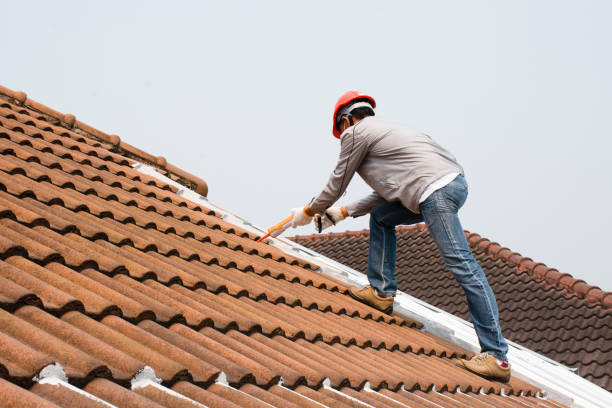
Selecting the right roofing contractor is a critical decision that can determine the durability, safety, and value of your property. With so many contractors available, making the right choice can feel overwhelming. By focusing on key factors, you can find a reliable professional who meets your needs and ensures quality results.
1. Experience and Expertise
The experience of a roofing contractor plays a significant role in their ability to handle diverse projects. A company with years of experience is more likely to have refined their techniques and developed expertise in various roofing types.
- Look for contractors with at least five years of proven industry experience.
- Evaluate whether they specialize in repairs, replacements, or specific materials like asphalt shingles, metal roofing, or tile roofs.
- Ask about completed projects similar to your own roofing requirements.
2. Licensing and Insurance
Hiring a licensed and insured contractor protects you from potential liabilities during the project. It also ensures that the contractor complies with local building codes and industry standards.
- Verify that the contractor holds all required state or local licenses.
- Check if they carry both general liability insurance (to protect your property) and workers’ compensation insurance (to protect their employees).
- Request documentation of licensing and insurance before signing any contracts.
3. Reputation and References
A contractor’s reputation speaks volumes about their professionalism and quality of work. Extensive research into reviews, testimonials, and references can help you gain insight into what others have experienced when working with them.
- Read online reviews on platforms like Google My Business or Yelp.
- Ask for at least three recent references from past clients.
- Check if there are unresolved complaints filed against them with organizations like the Better Business Bureau (BBB).
4. Pricing Transparency
When comparing contractors’ bids, it’s essential to understand their pricing structure beyond just finding the lowest quote. Transparent pricing helps prevent unexpected expenses during or after the project.
Here’s what to look for in a written estimate: | Item | Details | |————————|—————————————————————————–| | Materials Cost | Breakdown of materials being used (e.g., shingles, nails). | | Labor Costs | How much labor will cost based on scope of work. | | Additional Fees | Permits, hauling fees, or any other applicable costs should be disclosed. |
Avoid contractors who provide vague estimates without detailed breakdowns or who pressure you into signing contracts without proper explanations.
5. Warranty Offerings
Roofing is a significant investment, so it’s essential to ensure long-term protection through warranties. A reputable contractor will offer warranties on both materials and workmanship.
When reviewing warranty options: – Confirm whether they provide manufacturer warranties for materials used. – Ensure workmanship warranties cover labor-related defects for an extended period. – Clarify how warranty claims are handled to avoid disputes later.
Finding the Right Roofing Contractor Minneapolis MN for Your Needs
Choosing the best roofing contractor requires thorough evaluation across multiple factors such as experience, licensing, reputation, pricing transparency, and warranty options. By carefully reviewing these elements before hiring someone for your roofing project, you can feel confident about achieving high-quality results tailored to your specific needs.
Factors to Consider When Hiring a Roofer Minneapolis MN: Reputation, Reviews, and Licensing
When hiring a roofing contractor, the importance of reputation, reviews, and licensing cannot be overstated. These factors play a crucial role in ensuring that the professional you hire is qualified, trustworthy, and capable of delivering a high-quality roofing solution for your property. Below is an in-depth look at each aspect and why it matters.
Reputation: A Pillar of Trust
- Industry Experience: Check how long the contractor has been in business. Those with years or decades of experience typically have a proven track record.
- Word-of-Mouth Referrals: Ask friends, family members, or neighbors if they’ve worked with the contractor before. Positive referrals are often the most reliable gauge of performance.
- Community Engagement: Look for contractors who are active members of their local community or professional organizations. This involvement often signifies accountability and trustworthiness.
Reviews: Insights From Past Clients
Online reviews can provide valuable insights into a roofing contractor’s capabilities and customer satisfaction levels. However, it’s important to approach reviews critically to get an accurate picture.
- Verified Platforms: Use trusted review platforms like Google Reviews, Better Business Bureau (BBB), or Yelp to assess customer feedback.
- Consistency: Look for consistent patterns in reviews. For instance:
- Contractors praised for timely work completion likely value efficiency.
- Repeated complaints about poor communication may indicate areas where the contractor struggles.
- Response to Feedback: Pay attention to how contractors respond to negative reviews. A professional who addresses concerns constructively demonstrates accountability and care for their clients.
| Platform | Key Benefit | Example Questions to Ask When Researching |
| Google Reviews | Wide reach & diverse opinions | Are most clients satisfied with results? |
| Better Business Bureau | Focus on trustworthiness & accreditation | Is the company BBB-accredited with an A+ rating? |
| Social Media Pages | Real-time interaction with customers | How do they handle public concerns? |
Licensing: Ensuring Legitimacy and Compliance
A licensed roofing contractor not only meets legal requirements but also adheres to industry standards essential for safe and effective work.
- State-Specific Requirements: Licensing regulations can vary by state or region. Verify that your chosen contractor complies with local codes.
- Insurance Coverage: Licensed professionals are more likely to carry essential insurance policies such as liability coverage or workers’ compensation insurance — offering you financial protection in case of accidents or damage during the project.
- Certifications: Some contractors may also hold certifications from manufacturers (e.g., being certified installers for specific roofing materials). These certifications enhance credibility while ensuring adherence to best practices during installation.
Red Flags To Watch For
- Lack of proper documentation (e.g., no licenses or expired permits).
- Excessive reliance on verbal agreements instead of written contracts.
- Unrealistically low estimates compared to competitors — which could indicate subpar materials or hidden costs down the line.
- Poor communication skills from initial contact onwards.
By scrutinizing these elements carefully during your hiring process, you can significantly improve your chances of selecting a reliable roofing professional who will meet your expectations seamlessly.
How High-Quality Materials Enhance Roofing Services Minneapolis MN Durability and Lifespan
The materials used in roofing play a pivotal role in determining the durability, performance, and overall lifespan of your roof. A roof is one of the most critical components of your home as it protects your household from weather elements, ensures energy efficiency, and adds aesthetic value to your property. Here’s a closer look at why using high-quality materials is essential for achieving a long-lasting and reliable roof.
Key Benefits of High-Quality Roofing Materials
- Enhanced Durability
Premium roofing materials are designed to withstand harsh environmental conditions, including heavy rain, strong winds, snow loads, and UV radiation. They tend to have better resistance against wear and tear compared to lower-grade alternatives, reducing the frequency of repairs. - Extended Lifespan
Standard roofs might last 10–20 years depending on the material used; however, high-quality options like slate or metal can extend that lifespan significantly. For instance:
| Roofing Material | Average Lifespan* |
| Asphalt Shingles | 20–30 years |
| Metal Roofing | 40–70 years |
| Clay/Concrete Tiles | 50+ years |
| Slate Roofing | 75–100+ years |
*Lifespan can vary based on installation quality, maintenance practices, and local climate.
- Improved Energy Efficiency
Certain premium materials offer better insulation properties or reflective capabilities. For example: - Cool roofing materials reflect sunlight more effectively, helping reduce cooling costs during summer.
- Properly insulated options prevent heat loss during winter months.
- Higher Return on Investment (ROI)
While upfront costs for high-quality materials may be higher than standard options, they pay off in the long term by reducing maintenance expenses and increasing property value.
Types of High-Quality Materials to Consider
When selecting premium roofing materials for durability and efficiency: – Metal Roofing: Known for its strength and resistance to fire, corrosion, and extreme weather. – Clay Tiles: Aesthetic appeal combined with long-lasting performance in various climates. – Synthetic Shingles: Offer innovative designs with enhanced resistance to cracking or fading. – Slate: An eco-friendly choice that combines elegance with unmatched longevity.
Factors That Affect Material Performance
Even when opting for high-quality options, several factors impact how well they perform over time: – Installation Quality: Even the best materials fail if not installed correctly by experienced professionals. – Climate Suitability: Selecting a material suited to your region’s weather patterns is crucial (e.g., metal for snowy areas). – Proper Maintenance: Regular inspections help identify potential issues early before they escalate into costly repairs.
Weighing Cost vs. Quality
Although budget constraints may lead some homeowners toward less expensive roofing solutions initially, investing in premium materials yields better value over time due to their improved durability and efficiency. Additionally: – High-end roofs often come with extended warranties compared to cheaper alternatives. – They contribute positively to resale value if you plan on selling your property down the line.
By prioritizing superior quality when choosing roofing materials for your home improvement project, you protect both your investment and your peace of mind while ensuring a safe shelter for many years ahead.
10 Clear Indicators That It’s Time to Invest in Roof Repair for Your Home
A well-maintained roof is essential to safeguarding your home and ensuring its structural integrity. However, roofs don’t last forever, and certain signs may indicate it’s time to consider a replacement. Below are ten clear indicators that your roof might need attention.
1. Age of the Roof
The age of your roof is one of the most critical factors. Most asphalt shingle roofs have an average lifespan of 20–25 years. If your roof is approaching or has exceeded this timeframe, it may be more vulnerable to damage and less effective at protecting your home.
2. Curling or Buckling Shingles
Inspect the shingles on your roof. Are they curling at the edges or buckling? This is often a sign of aging materials or exposure to harsh weather conditions, both of which signal the need for replacement.
3. Missing Shingles
Missing shingles leave vulnerable areas that can expose your home to leaks and water damage. If you notice multiple missing shingles after storms or heavy winds, it may be time to invest in a new roof.
4. Granule Loss on Shingles
Over time, asphalt shingles lose their protective granules, which can often collect in gutters or around downspouts. Excessive granule loss diminishes the effectiveness of shingles and may indicate that they are nearing the end of their lifecycle.
5. Sagging Roofline
A sagging roofline could mean structural issues such as rotting wood or weakened supports beneath the roofing materials. This problem should be addressed immediately as it poses significant safety risks.
6. Persistent Leaks or Water Damage
If you notice recurring water stains on ceilings or walls inside your home, this indicates leaks likely caused by an aging or compromised roof system. Left unaddressed, these leaks can lead to mold growth and expensive repairs.
7. Light Coming Through the Attic
Inspecting your attic during daylight hours can reveal whether sunlight is seeping through cracks or holes in your roofing structure. If light can get through, so can cold air, moisture, and pests—clear signs that repair might not suffice and a replacement may be required.
8. Increased Energy Bills
A deteriorating roof affects insulation efficiency within your home and could lead to spikes in energy costs due to heat loss during winter months or insufficient cooling during summer.
| Month | Energy Usage Before Roof Issues | Energy Usage After Roof Issues |
| January | $150 | $185 |
| July | $120 | $160 |
If you’ve noticed similar trends in utility bills without other changes in household usage habits, inspect your roofing system for wear and damage.
9. Mold Growth on Exterior Walls
Water infiltration caused by an aging roof often leads to mold growth along walls under eaves where moisture collects over time. Mold not only damages surfaces but also poses potential health risks for you and your family.
10: Damaged Flashing Around Chimneys & Vents
Flashing protects critical areas such as chimneys, vents, skylights, and valleys from water intrusion—any cracks or deterioration here increase vulnerability significantly.
Pro Tip: Replace outdated flashing materials like tar with modern metal solutions when installing a new roof for added durability.
Promptly identifying these ten warning signs helps homeowners avoid larger problems down the road while ensuring peace of mind with a secure roofing solution tailored for long-term performance needs.
Why Customer Service and After-Sales Support Matter in the Roofing Industry
When it comes to hiring a roofing contractor, most homeowners focus on aspects such as pricing, materials, and timelines. However, customer service and after-sales support are often overlooked yet critical factors. Exceptional customer service and robust after-sales support not only ensure a smoother experience during the roofing project but also provide long-term peace of mind. Here’s why these elements should be a priority when choosing a roofing contractor.
Building Trust Through Clear Communication
- Answer your questions promptly and clearly.
- Provide detailed explanations about the scope of work, timelines, and costs.
- Offer regular updates throughout the project.
When a contractor is transparent and accessible, it builds trust and reduces misunderstandings, which can lead to better overall satisfaction with the project.
Resolving Issues Quickly
- Any issues are addressed without additional stress or unnecessary costs.
- Contractors are held accountable for their work beyond initial installation.
- Homeowners feel confident that their investment is protected.
This level of responsiveness demonstrates the contractor’s commitment to long-term customer satisfaction.
Warranty Coverage: A Key Element of After-Sales Support
| Warranty Type | What It Covers | Typical Duration |
| Manufacturer’s Warranty | Defects in roofing materials | 10–50 years |
| Workmanship Warranty | Errors in installation or labor | 1–10 years |
A reputable contractor will guide you through warranty terms so you understand what’s included and how claims can be made if needed.
Enhancing Your Experience with Post-Installation Services
- Annual inspections to monitor roof condition.
- Maintenance plans to extend the lifespan of your roof.
- Emergency repair services for unexpected damage.
Such services not only protect your investment but also foster long-term relationships between homeowners and contractors.
The Role of Online Reviews in Measuring Customer Service
Before hiring a roofing professional, take time to assess their reputation through online reviews and testimonials. Look for patterns in feedback related to communication, issue resolution, warranties honored, and overall professionalism. Positive reviews often indicate quality customer service while negative feedback can signal potential red flags.
Final Thoughts: Prioritizing Service Excellence
Investing in exceptional customer service and dependable after-sales support pays off in many ways—both during your roofing project and long afterward. By choosing a contractor who prioritizes these aspects, you’re safeguarding your home while ensuring a smooth process from start to finish.
- Understanding the Role of a Minneapolis Roofing Company: What Do Roofing Experts Do?
- Top 5 Factors to Consider When Choosing the Best Minneapolis Roofing Company for Your Needs
- Why Hiring a Professional Roofer Minneapolis MN is Essential for Your Home or Business
- 7 Important Questions Every Homeowner Should Ask Their Roofer Minneapolis MN Contractor
- How Ignoring Early Warning Signs Can Turn Into Expensive Roof Repair
- How to Identify Hail Damage with a Roofing Contractor Minneapolis MN
Why Hiring a Professional Roofer Minneapolis MN is Essential for Your Home or Business
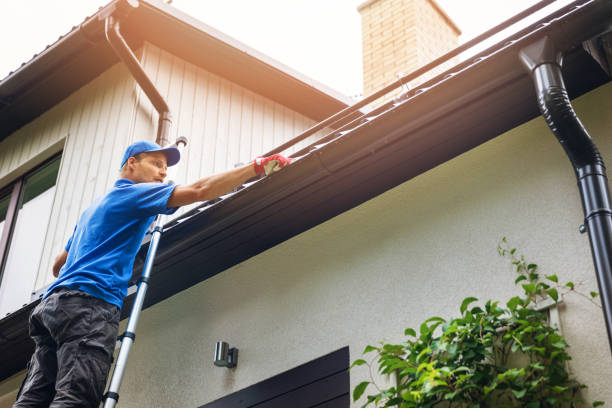
When it comes to maintaining or upgrading your property, the roof is one of the most critical components that demands attention. Whether you’re dealing with repairs, replacements, or new installations, hiring a professional roofing service is essential to ensure quality results and long-term benefits. Here are several reasons why working with skilled roofers is an investment worth making.
Expertise and Experience
- Asphalt shingles
- Metal roofs (steel, aluminum, or tin)
- Tile or slate roofs
- Flat and low-slope roofing systems
Their expertise enables them to identify issues accurately and implement appropriate solutions quickly. Unlike untrained workers or DIY efforts, professional roofers are less prone to errors that could compromise the integrity of your roofing system.
Superior Workmanship
A well-installed roof protects your home or business from harsh weather conditions while enhancing its overall value. Roofing professionals utilize best practices and high-quality materials to deliver superior workmanship.
- Provides excellent insulation
- Prevents water leaks and structural damage
- Retains its aesthetic appeal for years
The proper installation techniques used by professionals also help maximize the lifespan of your roof.
Time and Cost Efficiency
While some property owners may attempt DIY roofing projects to save money upfront, this often leads to higher costs in the long run due to potential mistakes or incomplete repairs. Professional roofers have access to specialized tools and equipment that allow them to work efficiently without compromising quality.
| DIY Approach | Professional Service |
| May involve trial-and-error methods | Delivers precise results based on expertise |
| Requires personal investment in tools/materials | Contractors bring their own tools/materials |
| Risk of costly rework if mistakes occur | High chance of getting it right the first time |
By hiring a professional service, you can avoid unnecessary expenses while ensuring timely project completion.
Safety Assurance
Roofing work inherently involves safety risks such as falls, exposure to hazardous materials, or adverse weather conditions. Trained contractors prioritize safety by adhering to industry standards and using proper protective gear. They are also insured, which minimizes liability in case of accidents during the project.
Warranty Coverage
Most reputable roofing companies offer warranties on both labor and materials used for their projects. This provides peace of mind knowing you’re protected against unexpected issues post-installation. DIY work rarely comes with any guarantees—and fixing problems without warranty coverage can become an expensive ordeal.
Customized Solutions for Your Property
Every property has unique requirements when it comes to roofing design, material selection, and maintenance plans. Professional roofers assess factors such as climate conditions, building structure, and budget constraints before recommending tailored solutions that meet your needs.
Hiring a professional roofing service ensures more than just an aesthetically pleasing result—it protects the functionality and longevity of one of your property’s most vital structures. By entrusting your project to experts who prioritize quality workmanship and safety standards, you’ll save time, reduce risks, and enjoy durable protection for years ahead.
Expert Services from a Minneapolis Roofing Company: Timely and Accurate Repairs
When it comes to roof repairs, timely and accurate service can make all the difference in protecting your home or business from further damage. Professional roofing contractors bring the expertise, tools, and processes needed to ensure repairs are handled effectively and efficiently. Here’s a closer look at how skilled roofers achieve reliable results.
Timely Roofing Services Minneapolis MN for Your Home
– Water Damage: Leaks left unaddressed can seep into your property, damaging walls, ceilings, insulation, and even your foundation.
– Increased Repair Costs: Minor issues that aren’t fixed promptly can escalate into substantial damage requiring extensive—and expensive—repairs.
– Energy Inefficiency
– Structural Issues: Prolonged exposure to moisture can weaken structural components like beams and rafters.
By addressing issues promptly with professional help, you reduce risks while extending the lifespan of your roofing system.
How Professional Roofers Ensure Accuracy in Roof Repair
Expertise is one of the primary reasons professionals excel in delivering precise repairs.
- Roofing contractors start by conducting a detailed assessment of your roof.
- This includes identifying visible damage (e. g. , missing shingles) as well as hidden issues such as mold growth or weakened underlayment.
- Professionals source top-grade materials designed for durability and compatibility with specific roofing systems.
- Choosing inferior materials could compromise repair integrity over time.
- Trained roofers follow industry best practices to ensure repairs meet high standards.
- This involves using precise methods for sealing leaks, replacing damaged sections, or reinforcing structural elements.
- Licensed contractors stay updated on local regulations and building requirements.
- This ensures that all repair work complies with safety standards while maintaining property values.
Key Benefits of Hiring Professionals
| Benefit | Explanation |
| Safety First | Roof repair involves working at heights and handling heavy materials; professionals are trained to do so safely using proper equipment. |
| Time Efficiency | Experienced contractors complete repairs faster than untrained individuals without compromising quality. |
| Warranty Coverage | Many professionals offer warranties on their services or materials used during repairs as an added layer of protection for homeowners/businesses. |
Signs You Need Immediate Roof Repairs
If you’re unsure whether it’s time to call a professional roofer for urgent repairs, watch out for these warning signs:
– Missing or damaged shingles
– Persistent leaks or water stains on interior ceilings/walls
– Sagging areas on your roof’s surface
– Granules collecting in gutters (a sign of shingle deterioration)
– Sudden spikes in energy bills due to poor insulation performance caused by roofing issues
Addressing these problems early prevents them from causing more significant challenges down the road.
By hiring certified roofing professionals who prioritize timeliness and precision in every job they undertake, you ensure that your property is safeguarded against potential hazards while enjoying peace of mind knowing the work was done right the first time around. Regular maintenance checks are also recommended post-repair to preserve long-term functionality.
Timely and Accurate Repairs: How Professional Roofers Get the Job Done Right
When it comes to roofing issues, timely and accurate repairs are critical for maintaining the integrity of your home or business. Leaks, missing shingles, or structural damage can worsen if left unattended, leading to costly repairs or even complete roof replacement. Professional roofers bring experience, tools, and specialized knowledge to ensure that every repair is handled correctly the first time. Here’s how hiring a professional roofing contractor can make all the difference.
Benefits of Timely Repairs
- Prevents Further Damage: A small leak or crack can escalate into significant water damage, mold growth, or structural issues if not repaired quickly.
- Saves Money in the Long Run: Early intervention reduces repair costs by preventing minor problems from becoming major expenses.
- Protects Property Value: A well-maintained roof contributes to your property’s overall value and appeal.
- Enhances Energy Efficiency: Damaged roofs often result in air leaks and poor insulation. Quick repairs ensure your home remains energy-efficient.
Accuracy Matters in Roof Repairs
Precision is just as important as timeliness when it comes to roof repairs. Not all roofing issues are visible at first glance. Professional roofers use their expertise to identify hidden problems and address them effectively. By doing so, they eliminate guesswork and ensure lasting results.
- Comprehensive Inspection: Professionals thoroughly assess your roof before beginning any work. This process includes checking for leaks, damaged materials, flashing problems, and more.
- Use of High-Quality Materials: Reputable contractors use durable materials that match your existing roof’s specifications for seamless repairs.
- Proper Techniques: Skilled roofers follow industry best practices to complete repairs safely and effectively without compromising the structure’s integrity.
- Long-Term Solutions: Instead of temporary fixes, professional contractors focus on delivering solutions designed to withstand weather elements for years.
Why DIY Repairs May Fall Short
| DIY Challenges | Potential Risks |
| Lack of proper tools | Poor-quality repair work |
| Limited knowledge of materials | Incomplete fixes that lead to recurring issues |
| Unsafe working conditions | Risk of injury or accidents |
| No warranties on labor | Additional costs for future repairs |
Relying on trained professionals ensures that your roof is repaired accurately while avoiding unnecessary risks.
Steps Professional Roofers Take for Successful Repairs
- Conducting a detailed inspection of the affected area.
- Identifying both visible damage and underlying issues such as water infiltration.
- Preparing a clear plan outlining the scope of work required.
- Safely removing any damaged materials without harming surrounding structures.
- Installing new components with precision using manufacturer-approved techniques.
- Testing repairs under real-world conditions (e. g. , checking water flow during simulated rainfall).
This method ensures that no critical detail is overlooked during the repair process.
The Importance of Hiring Experienced Roofers
- They have access to advanced tools designed specifically for roofing jobs.
- Experienced professionals adhere strictly to local building codes and regulations.
- They carry insurance coverage that protects you against potential liabilities during the project.
By investing in timely and accurate repairs through skilled professionals, you safeguard your property from further damage while extending its lifespan significantly—transforming what could have been a costly liability into peace of mind for years ahead.
Properly Installed Roofing: The Key to Long-Lasting Protection for Your Property
A properly installed roof is one of the most critical components of a durable and well-maintained property. Whether it’s a residential home or a commercial building, the quality of your roof installation directly impacts its longevity, structural integrity, and overall performance. Below, we’ll explore why proper installation is crucial and how it contributes to protecting your investment.
The Importance of Proper Installation
When a roof is installed correctly, it creates a protective barrier against various environmental elements such as rain, snow, wind, and heat.
- Leaks and Water Damage: Poorly installed roofing can result in water seepage that damages the structure beneath.
- Premature Wear and Tear: Uneven shingles or poorly secured materials can reduce the lifespan of your roof.
- Energy Inefficiency: Gaps or weak seals may lead to temperature leaks, increasing your heating and cooling costs over time.
Hiring experienced professionals ensures that every component of your roofing system is properly placed for maximum efficiency and durability.
Key Elements of Proper Roof Installation
Professional contractors follow specific procedures and standards when installing a roof.
- The underlayment acts as an added layer of defense against moisture penetration.
- High-quality materials like synthetic underlayment offer superior durability compared to traditional felt.
- Flashing prevents water from seeping into vulnerable areas such as around chimneys or at valleys where two slopes meet.
- Improperly aligned flashing is one of the leading causes of leaks in roofs.
- Adequate attic ventilation helps regulate temperature and moisture levels within the roofing system.
- Incorrect fastening techniques may cause loose shingles that are easily blown off during storms.
- Contractors should use manufacturer-specified fasteners for optimal performance.
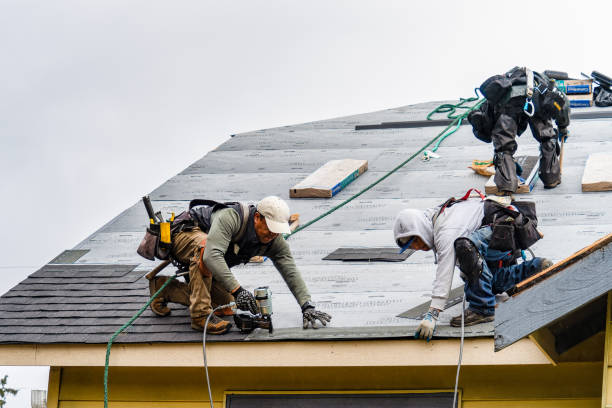
| Component | Purpose | Common Issues from Poor Installation |
| Underlayment | Protects decking from moisture | Wrinkling or tearing |
| Flashing | Seals vulnerable areas | Water infiltration |
| Ventilation System | Temperature/moisture regulation | Mold growth; energy inefficiency |
| Fastening Techniques | Secures roofing materials | Loose or missing shingles |
Benefits of Professional Installation
- Warranty Protection: Many manufacturers require certified installers for warranties to remain valid.
- Enhanced Durability: Expert craftsmanship minimizes risks associated with wear-and-tear over time.
- Compliance with Building Codes: Professionals ensure all aspects meet local regulations.
Final Thoughts
A well-installed roof isn’t just about aesthetics—it’s about safeguarding your property’s value while preventing costly repairs down the line. By prioritizing high-quality installation from skilled professionals, you ensure long-term protection against natural elements while enhancing energy efficiency and overall structure stability for years ahead.
What You Should Know About Hiring a Roofing Contractor Minneapolis MN for Your Steel Roof
Switching to a high-performance steel roof can be a game-changer for your property’s durability, energy efficiency, and long-term value. However, it’s essential to understand the key considerations before making this significant investment. Below, we outline critical aspects you should know to make an informed decision.
Benefits of High-Performance Steel Roofing
- Durability: Steel roofs are highly resistant to harsh weather conditions such as hail, heavy rain, and snow. They are also less prone to cracking or warping compared to traditional roofing materials.
- Longevity: A properly installed steel roof can last 40–70 years with minimal maintenance, offering excellent long-term value.
- Energy Efficiency: Steel roofing reflects solar heat rather than absorbing it, reducing cooling costs during hot months.
- Eco-Friendly: Most steel roofs are made from recycled materials and are entirely recyclable at the end of their lifespan.
- Low Maintenance: Compared to asphalt or wood shingles, steel roofs require less upkeep over time.
Key Considerations Before Making the Switch
- Initial Costs
While steel roofs have lower maintenance needs and a longer lifespan than traditional options, the upfront cost is often higher. Consider your budget and weigh long-term savings on repairs and energy bills against initial expenses. - Compatibility with Existing Structure
Ensure your property’s structural frame can support the weight of a steel roof. Although steel is lightweight compared to materials like tile or slate, reinforcing older structures may still be necessary. - Climate Suitability
Steel performs exceptionally well in extreme climates but may require additional coatings or treatments in areas with salty air (e. g. , coastal regions) to prevent corrosion. - Noise Insulation Options
Rainfall on metal roofing can generate more noise compared to other materials. Acoustic insulation layers can mitigate this issue if sound is a concern for your home or business.
Types of Steel Roofing Systems
| Type | Description | Ideal For |
| Standing Seam Panels | Vertical panels with interlocking seams; offer sleek appearance | Modern homes & commercial buildings |
| Corrugated Metal Sheets | Wavy design adds texture; economical choice | Industrial settings & rustic designs |
| Stone-Coated Steel | Coated with stone granules for added aesthetics and protection | Residential properties seeking classic look |
| Modular Panels | Pre-cut sections designed for easy installation | Quick projects & DIY-friendly options |
Installation Process
- Removing old roofing material (if applicable).
- Inspecting underlying decking for damage.
- Adding appropriate underlayment or moisture barriers.
- Installing panels using specialized fasteners designed for metal roofs.
- Sealing joints and edges against potential leaks.
Benefits Compared to Traditional Roofing Materials
| Feature | Asphalt Shingles | Clay Tiles | High-Performance Steel Roof |
| Lifespan | 20–30 years | 50–100 years | 40–70 years |
| Durability | Moderate | Brittle under some stress | Exceptional |
| Maintenance | Periodic repairs needed | Fragile; requires upkeep | Minimal |
| Eco-Friendliness | Limited recyclability | Not always recyclable | Highly recyclable |
Understanding these differences will help you make an informed decision that aligns with your property’s needs and long-term goals.
By taking all these factors into account before switching to a high-performance steel roof, homeowners and business owners alike can ensure they’re making the right investment in both functionality and style for their property’s future protection needs.
What Makes Tin Roofing a Smart and Durable Investment for Your Home
When it comes to selecting the right roofing material for your home, tin roofing has emerged as a popular choice for its durability, cost-effectiveness, and sustainability. As homeowners increasingly seek solutions that offer long-term value while maintaining aesthetic appeal, tin roofs deliver on multiple fronts. Here’s why investing in a tin roof can be a smart decision for your property.
Advantages of Tin Roofing
Tin roofing offers several benefits that make it stand out compared to other materials such as asphalt or wood shingles.
- Durability:
Tin roofs are highly resistant to harsh weather conditions such as heavy rain, snow, and strong winds. When properly maintained, they can last 40 to 70 years or more. - Energy Efficiency:
The reflective nature of metal roofs like tin helps deflect sunlight, reducing heat absorption and lowering cooling costs during warmer months. - Lightweight:
Compared to materials like tile or slate, tin is lightweight. - Low Maintenance:
Unlike traditional roofing options that may require frequent repairs or replacements, tin roofs need minimal upkeep beyond occasional cleaning and inspections. - Eco-Friendly Option:
Tin roofs are often made from recyclable materials. This makes them an excellent choice for homeowners looking to reduce their environmental impact.
Cost Considerations
While the upfront cost of installing a tin roof can be higher than asphalt shingles or other common materials, the long-term savings often outweigh the initial investment.
| Expense Factor | Asphalt Shingles | Tin Roofing |
| Average Lifespan | 15–30 years | 40–70+ years |
| Maintenance Requirements | Regular repairs/replacement needed | Minimal maintenance required |
| Energy Savings | Limited | Significant reduction in cooling costs |
By choosing a durable material that requires fewer repairs over time, you may save thousands in maintenance and replacement expenses across decades of use.
Design Versatility
Tin roofing has come a long way from its utilitarian beginnings. Modern manufacturing techniques now offer options that suit various architectural styles.
- Colors: Wide range of finishes to complement existing exterior designs.
- Textures: Smooth or embossed surfaces.
- Profiles: Standing seam panels or corrugated sheets for both traditional and contemporary aesthetics.
The flexibility in design ensures that tin roofing not only performs efficiently but also enhances curb appeal.
Factors to Keep in Mind Before Installing Tin Roofing
- Noise Levels During Rainfall:
While many homeowners appreciate the sound of rain on metal roofs as soothing, others may find it distracting. Proper insulation can help minimize noise. - Skilled Installation Required:
To ensure optimum performance and longevity, professional installation is crucial. Look for contractors with experience working specifically with metal roofing systems. - Initial Cost vs. Long-Term Value:
While premium materials like tin come with higher upfront costs compared to conventional options, their extended lifespan offers better value over time.
Final Thoughts
Tin roofing presents an ideal combination of durability, energy efficiency, and aesthetic appeal for homeowners seeking a reliable investment in their property’s future. With proper care and professional installation by experienced contractors, this type of roof delivers decades of protection and performance while enhancing your home’s overall appearance.
While minor repairs can address some roofing issues, there comes a point when a full replacement becomes necessary.
- Look for widespread issues such as cracked shingles, significant sagging, or missing tiles across large areas.
- Localized repairs may not be sufficient if damage covers more than 30% of the surface area.
- Persistent leaks despite multiple repairs indicate underlying issues that require attention.
- Check gutters and downspouts for excessive granules washed off from shingles.
- Bald spots on shingles reduce their ability to protect against UV rays and water penetration.
- Inspect your attic during daylight hours; if light is visible through the roof boards, it suggests worn-out materials or gaps that need addressing.
- A failing roof can impact insulation efficiency, causing heating and cooling systems to work harder.
- Replacing an inefficient roof with modern materials can improve energy efficiency.
Benefits of Opting for a Full Roof Replacement
| Advantages | Details |
| Enhanced Protection | A new roof safeguards against leaks, drafts, and weather-related issues. |
| Increased Property Value | A new roof boosts curb appeal and overall property resale value. |
| Energy Efficiency | Modern roofing materials improve insulation and reduce energy consumption. |
| Long-Term Savings | Avoid ongoing repair costs with durable materials designed to last decades. |
Steps to Take Before Replacing Your Roof
- Schedule an Inspection
Hire a professional roofing contractor to assess your current roof’s condition thoroughly. - Research Roofing Materials
- Get Multiple Estimates
Obtain quotes from licensed contractors to compare pricing and services offered. - Verify Credentials
Ensure the contractor is licensed, insured, and experienced in handling full replacements.
By identifying the warning signs early and understanding what’s involved in replacing your roof, you’ll be better equipped to make informed decisions that protect your home or business in the long run.
Residential and Commercial Roofing Specialists: Finding the Experts You Can Trust
When it comes to protecting your home or business, the roof is one of the most critical components. It shields your property from weather elements, enhances energy efficiency, and contributes to overall structural integrity. Finding reliable residential and commercial roofing specialists is essential for ensuring quality work and long-term peace of mind. Below is a guide to help you identify experts you can trust.
The Importance of Hiring Specialists
Hiring specialists in roofing provides tailored services that address the unique needs of residential or commercial properties.
- Specialized Expertise: Residential and commercial roofs have different designs, materials, and installation methods. Specialists understand these differences and offer custom solutions.
- Compliance with Building Codes: Professionals stay updated on local regulations and building codes, ensuring that all work meets legal requirements.
- Access to Quality Materials: Established contractors often have access to premium-grade materials at better prices than you would find as an individual buyer.
- Efficient Problem Solving: Experienced roofers can quickly diagnose issues such as leaks or structural damage, saving time on repairs.
Key Qualities to Look for in a Roofing Specialist
- Licensing and Insurance
Verify that the contractor is fully licensed in your state or region. Additionally, they should have liability insurance and workers’ compensation coverage for their employees. - Experience in the Industry
Look for companies with years of experience handling both residential and commercial projects. A proven track record indicates reliability. - References and Reviews
Check customer feedback on platforms like Google Reviews or Better Business Bureau (BBB). Request references from past clients to confirm their satisfaction with the contractor’s work. - Warranty Coverage
Reputable specialists offer warranties for materials and workmanship, providing added assurance that repairs or installations will last. - Transparent Pricing
Choose contractors who provide clear estimates with a breakdown of costs—this prevents unexpected charges later on.
Differences Between Residential & Commercial Roofing Services
Understanding how residential roofing differs from commercial projects can help you evaluate whether a contractor specializes in your needs.
| Feature | Residential Roofing | Commercial Roofing |
| Roof Design | Sloped roofs (asphalt shingles, tiles) | Flat/low-sloped roofs (EPDM, TPO membranes) |
| Material Choices | Asphalt shingles, metal panels | Modified bitumen, single-ply membranes |
| Installation Complexity | Less complex due to smaller scale | More complex due to larger surface areas |
| Maintenance Needs | Inspection once or twice annually | Frequent maintenance due to flat design |
Tips for Evaluating Contractors During Consultations
Once you’ve shortlisted potential contractors, schedule consultations before making a final decision.
- Ask about their process for inspecting roofs before creating estimates.
- Inquire about estimated project timelines based on your specific needs.
- Discuss safety protocols followed by workers during installation or repair services.
- Ensure they provide a written contract outlining scope of work, costs, warranty details, and timeline expectations.
Finding trustworthy residential and commercial roofing specialists is critical for safeguarding your property investment. By focusing on licensing credentials, experience levels, reviews from past clients, warranty offerings, and pricing transparency during your search process, you’ll ensure that you’re partnering with experts who prioritize quality workmanship over shortcuts.
- Understanding the Role of a Minneapolis Roofing Company: What Do Roofing Experts Do?
- Top 5 Factors to Consider When Choosing the Best Minneapolis Roofing Company for Your Needs
- Why Hiring a Professional Roofer Minneapolis MN is Essential for Your Home or Business
- 7 Important Questions Every Homeowner Should Ask Their Roofer Minneapolis MN Contractor
- How Ignoring Early Warning Signs Can Turn Into Expensive Roof Repair
- How to Identify Hail Damage with a Roofing Contractor Minneapolis MN
7 Important Questions Every Homeowner Should Ask Their Roofer Minneapolis MN Contractor

Asking the right questions helps to determine if the contractor is reliable, experienced, and capable of meeting your needs. Here are seven critical questions every homeowner should ask before committing to a roofing contractor.
1. Are You Licensed and Insured?
One of the most important questions to ask is whether the contractor holds proper licensing and insurance. A licensed contractor demonstrates that they meet local regulations and industry standards. Insurance is equally crucial as it protects both you and the contractor in case of accidents or damages during the project.
Make sure they can provide:
– General liability insurance: Covers any property damage caused during work.
– Workers’ compensation insurance: Protects workers in case of on-site injuries.
2. How Long Have You Been in Business?
Experience matters when it comes to roofing projects. Contractors with years of experience are more likely to provide quality workmanship and handle challenges effectively.
Contacting these references allows you to verify their craftsmanship, professionalism, and reliability.
Ask for references for similar:
– Roof types (e. g. , asphalt shingles, metal roofs).
– Project scopes (e. g. , residential repairs vs full replacements).
4. What Kind of Warranty Do You Offer?
Roofing warranties typically fall into two categories: manufacturer warranties (covering materials) and workmanship warranties (covering installation errors). Clarify what warranties are available, their duration, and what they cover.
Key points to clarify about warranties include:
– Length of coverage for materials vs labor. – Conditions that might void the warranty. – Who handles warranty claims—the manufacturer or the contractor?
5. Will You Provide a Written Estimate?
A professional roofer should supply a detailed written estimate outlining costs, timelines, materials, and payment terms before any work begins. This ensures transparency and prevents misunderstandings later on.
A comprehensive estimate should include:
| Item | Details |
|————————-|————————–|
| Labor Costs | Breakdown by tasks |
| Material Costs | Type/brand specified |
| Timeline | Start/end dates |
6. How Do You Handle Unexpected Issues or Additional Costs?
Roofing projects can reveal unexpected problems such as water damage or structural issues underneath existing shingles. Discuss how additional costs will be handled if such issues arise during installation.
Questions to ask include:
– “Will I be notified before additional work begins?
– “Do you have contingency pricing outlined in the estimate?
7. What Safety Measures Do You Use During Projects?
Safety is vital during roofing projects due to potential hazards like falls or debris-related injuries. Ensure your contractor follows industry-standard safety practices for their team and protects your property during construction.
Safety measures may include:
– Using fall protection equipment like harnesses. – Installing temporary barriers around hazardous areas. – Cleaning up debris daily to prevent accidents on your property.
By asking these seven questions upfront, homeowners can feel confident in selecting a qualified roofing contractor who will deliver high-quality results while prioritizing professionalism and safety throughout the project process.
How a Minneapolis Roofing Company Calculates Prices and What Factors Influence Costs
When planning a roofing project, one of the most critical aspects homeowners consider is the cost. Understanding how roofing prices are calculated and the factors that influence costs can help you budget effectively and make informed decisions.
Key Components That Impact Roofing Services Minneapolis MN Costs
- Roofing contractors typically calculate costs based on the total square footage of your roof. Larger roofs require more materials and labor, which increases the overall expense.
- Measurement is often expressed in “squares,” where 1 square equals 100 square feet.
- The type of roofing material you choose significantly affects costs.
- Asphalt shingles (most affordable)
- Metal roofing (moderately priced but durable)
- Slate or tile (high-end options with long lifespans)
- Upgraded materials often come with better warranties but at a higher initial cost.
- Steeper roofs or those with multiple angles, dormers, or intricate designs require additional labor and specialized equipment, increasing costs.
- Flat or low-slope roofs are generally less expensive to work on due to ease of installation.
- If your current roof needs to be removed before installing a new one, disposal fees and labor will add to your expenses.
- Some homeowners opt for roof layovers (layering new shingles over old ones), but this isn’t always recommended due to potential long-term issues.
- Regional labor rates vary significantly, as do local building codes and permit requirements.
- Climate can also influence material choices; for example, areas prone to extreme weather may require impact-resistant shingles or reinforced underlayment.
- Structural repairs such as replacing damaged decking or reinforcing weak areas may be uncovered during an inspection, adding unforeseen costs.
- Some projects may also involve upgrades like new flashing, gutters, or insulation.
- Labor charges depend on the experience level of the contractor and crew size.
- Licensed and insured contractors may charge slightly more but offer peace of mind through professionalism and adherence to safety standards.
Comprehensive Roof Repair Cost Breakdown
| Component | Estimated Cost Range per Square* |
| Materials | $100–$350 |
| Labor | $150–$300 |
| Removal/Disposal Fees | $50–$100 |
| Permits/Inspections | $50–$150 |
*Pricing varies based on region and specific project details.
Tips for Managing Roofing Costs
- Get at least 3 quotes from reputable contractors for comparison.
- Ask about financing options if upfront payment is challenging.
- Prioritize quality over savings; cutting corners can lead to higher long-term expenses.
- Check if insurance covers any part of your roofing project due to storm damage or other incidents.
Understanding these cost components allows you to approach your roofing project with clarity while avoiding unexpected financial surprises. With thorough research and careful planning, you’ll be well-equipped to balance quality workmanship with affordability in your investment decisions.
Exploring the Roofing Installation Process Step by Step for a Smooth Experience
Roof installation is a crucial investment that ensures your home remains protected from the elements while maintaining structural integrity. Understanding the process step by step can help homeowners feel confident and prepared when working with a roofing contractor.
1.Initial Inspection and Assessment
Before starting any roofing project, contractors perform an in-depth inspection of your current roof.
- Identify damage such as leaks, missing shingles, or structural issues.
- Determine whether a complete replacement or repair is necessary.
- Take measurements to provide accurate material estimates and pricing.
During this phase, it’s essential to ask your contractor about any concerns they discover and request a detailed report for reference.
2.Selecting Materials
Once the assessment is complete, you’ll work with your contractor to choose roofing materials that align with your budget, aesthetic preferences, and climate needs.
- Asphalt Shingles: Affordable and suitable for most homes.
- Clay or Concrete Tiles: Long-lasting but heavier in weight.
- Slate Roofing: Elegant and highly durable but one of the costliest options.
Your contractor should provide information about each material’s lifespan, maintenance requirements, and warranties.
3.Preparation of the Worksite
A well-prepared worksite ensures efficiency during installation while protecting your property from damage.
- Removing outdoor furniture or covering landscaping near the home.
- Setting up tarps or plywood to safeguard siding, windows, and walkways.
- Arranging waste disposal systems like dumpsters for old roofing materials.
Discuss these steps with your roofer to guarantee minimal disruption during the project.
4.Tear-Off (If Required)
For most roof replacements, contractors will remove old shingles or other existing materials down to the decking layer. This allows them to examine the underlying structure for rot or damage that may need repairs before new materials are installed.
Some homeowners may opt for a roof layover (installing new shingles over existing ones), though it’s not always recommended as it can conceal structural issues beneath.
5.Roof Deck Inspection and Repairs
After removing old materials, contractors inspect the roof deck—the foundation on which new roofing will be installed—for any signs of moisture infiltration or weaknesses such as mold or wood rot. If problems are detected, repairs or reinforcements are completed before moving forward.
A solid deck provides long-term support for your new roof.
6.Installing Underlayment and Flashing
Underlayment is applied directly onto the decking to serve as a protective barrier against moisture penetration beneath shingles or tiles. Contractors also install flashing around critical areas such as chimneys, vents, valleys, and edges where water runoff may occur frequently.
These components play an essential role in enhancing waterproofing capabilities.
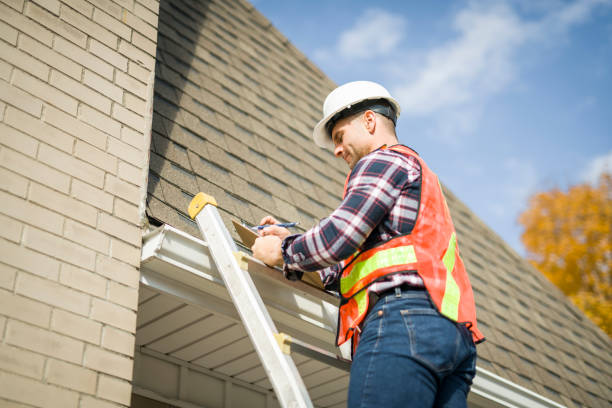
| Component | Purpose |
| Underlayment | Acts as an extra moisture barrier below top-layer materials |
| Flashing | Seals vulnerable points prone to leaks (e.g., chimneys & valleys) |
7.Installing Roofing Materials
With all preparatory steps complete, contractors begin laying down selected roofing materials—whether asphalt shingles, tiles, metal panels—or others—starting at eaves (bottom edges) upwards towards ridges (top peaks).
Key Considerations: – Nails must be spaced evenly & securely fastened across layers
– Ridge vents Or full ventilation gaps eg Gutter alignments factor discussed upfront
The Importance of Hiring a Licensed Roofing Contractor Minneapolis MN for Your Project
Hiring a roofing contractor is an essential part of maintaining or upgrading your home, but not all contractors are created equal. One of the most critical factors when selecting a professional is ensuring they are licensed and insured. This decision can significantly impact the quality of work, your financial security, and your peace of mind.
Benefits of Hiring Licensed Roofing Contractors
A licensed roofing contractor has met all the requirements set by local or state authorities to perform roofing work legally.
- Expert Knowledge and Skills
Licensing typically requires contractors to undergo specific training and testing. This ensures they have a thorough understanding of roofing techniques, materials, and building codes. - Compliance with Local Building Codes
Licensed professionals are familiar with local laws and regulations regarding roofing projects. This reduces the risk of delays or penalties due to non-compliance. - Access to High-Quality Materials
Licensed contractors often have access to premium materials through trusted suppliers, giving you better results compared to unlicensed individuals who may rely on substandard products.
Importance of Hiring Insured Roofing Contractors
Insurance is another critical factor when choosing a roofer.
- Liability Coverage
If an accident occurs on your property during the project, liability insurance shields you from financial responsibility for injuries or damages caused by the contractor or their team. - Property Damage Protection
Accidents can happen during any construction project. A properly insured roofer will cover any damage caused to your property during installation or repair. - Worker’s Compensation Coverage
Worker’s compensation insurance ensures that workers injured on-site are covered without placing financial responsibility on the homeowner.
| Type of Insurance | What It Covers |
| Liability Insurance | Protects homeowners from personal injury claims or accidental property damage |
| Worker’s Compensation | Covers medical expenses for injured workers |
| Property Damage Coverage | Reimburses costs associated with accidental damage |
Risks of Choosing Unlicensed or Uninsured Contractors
- Poor Workmanship
Unlicensed contractors may lack formal training and produce subpar results that require costly repairs in the future. - Legal Issues
In some regions, hiring an unlicensed individual for significant home improvement projects is illegal, which could lead to fines. - Financial Liability
Without insurance coverage, you might have to pay out-of-pocket for damages or medical bills incurred during the project. - Voided Warranties
Manufacturer warranties on roofing materials may be voided if installation isn’t performed by a licensed professional.
How to Verify Licensing and Insurance
- Ask for proof of licensing and insurance upfront.
- Verify credentials through local government websites or industry organizations.
- Request documentation outlining their policy details, including coverage terms and limits.
- Check reviews online and ask for references from past clients.
Choosing a licensed and insured roofing contractor is not just about compliance; it’s about ensuring safety, quality workmanship, and protecting your investment in your home. By prioritizing these qualifications during your selection process, you can avoid unnecessary headaches while achieving durable results that stand the test of time.
What You Should Know About Roof Layovers Before Making a Decision
Roof layovers, while often presented as a cost-effective alternative to a full roof replacement, come with their own set of benefits and considerations. If you’re contemplating whether a roof layover is the right approach for your home, it’s essential to understand the mechanics of this process and how it might impact your property in the long run.
What Is a Roof Layover?
A roof layover involves installing a new layer of shingles directly over an existing one rather than removing the old roofing material. While this method can save time and reduce costs upfront, it’s not always suitable for every situation. Layovers are typically more common with asphalt shingles due to their lightweight nature and ease of installation.
Advantages of Roof Layovers
- Cost Savings: Eliminating the need for tear-off reduces labor expenses and disposal fees.
- Faster Installation: Since there’s no need to remove the old roofing material, the process is quicker.
- Temporary Solution: Layovers can be an effective short-term solution if you’re delaying a complete roof replacement.
Potential Drawbacks to Consider
- Weight Concerns: Adding an additional layer increases the overall weight on your roof structure, which could lead to structural stress over time.
- Hidden Damage: Any issues with your existing shingles or underlying decking may remain undetected without removal of the old layer. This can lead to bigger problems down the road.
- Reduced Lifespan: The added heat retention caused by multiple layers can shorten the lifespan of both new and old shingles.
- Less Aesthetic Appeal: With two layers, roofs may appear uneven or lumpy compared to single-layer installations.
Key Questions To Ask Your Contractor About Layovers
- Is my home’s current roofing structure strong enough to support additional weight?
- Are there any visible signs of damage or leaks under my existing shingles that could worsen over time?
- What warranties apply if I choose this option versus a complete replacement?
- How will this affect ventilation or insulation performance in my home?
When Is A Roof Layover Not Recommended?
- If there are already two layers of shingles present (most building codes prohibit adding more).
- If significant water damage or rot exists within your underlying decking.
- For homes located in areas prone to extreme weather conditions like high winds or heavy snowfall.
In these cases, investing in a full tear-off replacement is likely more beneficial despite higher upfront costs.
| Factors | Roof Layover | Full Tear-Off |
| Cost | Lower | Higher |
| Installation Time | Faster | Slower |
| Structural Stress | Higher | Lower |
| Longevity | Shorter Lifespan | Longer Lifespan |
Understanding these distinctions will help you make an informed decision tailored to your home’s needs while ensuring long-term durability and peace of mind regarding your investment.
What You Should Know About Roof Layovers Before Making a Decision
A roof layover, sometimes referred to as roof overlay, is when new shingles are installed directly over existing ones without removing the old roofing material. While this approach can be cost-effective and time-saving, it’s essential to fully understand the implications before making a decision. Below, we’ll explore the pros and cons of roof layovers, factors to consider, and when this option might be appropriate.
Advantages of Roof Layovers
Roof layovers can offer several benefits depending on the condition of your existing roof.
- Cost Savings: Since removing old shingles is not required, you save on labor costs and disposal fees for debris.
- Reduced Installation Time: Without the need for tear-off and cleanup, contractors can complete the job much faster than a full replacement.
- Environmental Benefits: Fewer materials end up in landfills since no old shingles are removed.
- Improved Aesthetics: New shingles add fresh curb appeal to your home by providing a polished look over worn-out materials.
Disadvantages of Roof Layovers
- Added Weight: A second layer of shingles increases the overall weight on your roof structure, potentially leading to structural strain if your home isn’t designed to handle it.
- Hidden Damage: Existing issues such as rot or leaks may go unnoticed because they are hidden beneath layers of shingles. This can result in costly repairs later on.
- Decreased Lifespan: The lifespan of a layover roof may be shorter compared to a complete tear-off due to heat buildup and poor ventilation between layers.
- Limited Repairs in Future: If additional problems arise down the road, fixing them may require removing multiple shingle layers—making repairs more labor-intensive and expensive.
Factors to Consider Before Choosing a Roof Layover
Not all roofs are suitable for layovers; careful evaluation is key before proceeding with this option.
| Factors | Questions to Ask | Importance Level |
| Current Condition of Roof | Are there signs of significant damage or leaks? | High |
| Number of Existing Layers | Does your home already have multiple layers? | High |
| Local Building Codes | Are overlays permitted in your area? | Medium |
| Structural Integrity | Can your roof support extra weight safely? | High |
| Ventilation | Will adding another layer affect ventilation? | Medium |
When Is a Roof Layover Appropriate?
A roof layover is generally only suitable under specific conditions: 1. The existing shingles must be in relatively good condition with no signs of warping or extensive wear. 2. There should only be one layer of existing shingles already installed (most building codes do not allow more than two layers). 3. The decking underneath needs to be intact and free from moisture damage or rot. 4. Your region’s climate should support this method—areas with extreme weather fluctuations may not benefit from overlays due to thermal stress.
Alternatives if a Layover Isn’t Right for You
If you discover that a layover isn’t ideal for your situation, consider these alternatives: – Full Tear-Off Replacement: This allows contractors to start fresh by addressing underlying issues like damaged decking or poor insulation. Partial Repairs: If damage is localized, repairing just the affected area might suffice instead of installing new layers across the entire surface.
Making an informed decision about whether a roof layover is right for you requires careful thought and professional guidance from licensed contractors who understand both local regulations and best practices in roofing installation techniques.
- Understanding the Role of a Minneapolis Roofing Company: What Do Roofing Experts Do?
- Top 5 Factors to Consider When Choosing the Best Minneapolis Roofing Company for Your Needs
- Why Hiring a Professional Roofer Minneapolis MN is Essential for Your Home or Business
- 7 Important Questions Every Homeowner Should Ask Their Roofer Minneapolis MN Contractor
- How Ignoring Early Warning Signs Can Turn Into Expensive Roof Repair
- How to Identify Hail Damage with a Roofing Contractor Minneapolis MN