
Asking the right questions helps to determine if the contractor is reliable, experienced, and capable of meeting your needs. Here are seven critical questions every homeowner should ask before committing to a roofing contractor.
1. Are You Licensed and Insured?
One of the most important questions to ask is whether the contractor holds proper licensing and insurance. A licensed contractor demonstrates that they meet local regulations and industry standards. Insurance is equally crucial as it protects both you and the contractor in case of accidents or damages during the project.
Make sure they can provide:
– General liability insurance: Covers any property damage caused during work.
– Workers’ compensation insurance: Protects workers in case of on-site injuries.
2. How Long Have You Been in Business?
Experience matters when it comes to roofing projects. Contractors with years of experience are more likely to provide quality workmanship and handle challenges effectively.
Contacting these references allows you to verify their craftsmanship, professionalism, and reliability.
Ask for references for similar:
– Roof types (e. g. , asphalt shingles, metal roofs).
– Project scopes (e. g. , residential repairs vs full replacements).
4. What Kind of Warranty Do You Offer?
Roofing warranties typically fall into two categories: manufacturer warranties (covering materials) and workmanship warranties (covering installation errors). Clarify what warranties are available, their duration, and what they cover.
Key points to clarify about warranties include:
– Length of coverage for materials vs labor. – Conditions that might void the warranty. – Who handles warranty claims—the manufacturer or the contractor?
5. Will You Provide a Written Estimate?
A professional roofer should supply a detailed written estimate outlining costs, timelines, materials, and payment terms before any work begins. This ensures transparency and prevents misunderstandings later on.
A comprehensive estimate should include:
| Item | Details |
|————————-|————————–|
| Labor Costs | Breakdown by tasks |
| Material Costs | Type/brand specified |
| Timeline | Start/end dates |
6. How Do You Handle Unexpected Issues or Additional Costs?
Roofing projects can reveal unexpected problems such as water damage or structural issues underneath existing shingles. Discuss how additional costs will be handled if such issues arise during installation.
Questions to ask include:
– “Will I be notified before additional work begins?
– “Do you have contingency pricing outlined in the estimate?
7. What Safety Measures Do You Use During Projects?
Safety is vital during roofing projects due to potential hazards like falls or debris-related injuries. Ensure your contractor follows industry-standard safety practices for their team and protects your property during construction.
Safety measures may include:
– Using fall protection equipment like harnesses. – Installing temporary barriers around hazardous areas. – Cleaning up debris daily to prevent accidents on your property.
By asking these seven questions upfront, homeowners can feel confident in selecting a qualified roofing contractor who will deliver high-quality results while prioritizing professionalism and safety throughout the project process.
How a Minneapolis Roofing Company Calculates Prices and What Factors Influence Costs
When planning a roofing project, one of the most critical aspects homeowners consider is the cost. Understanding how roofing prices are calculated and the factors that influence costs can help you budget effectively and make informed decisions.
Key Components That Impact Roofing Services Minneapolis MN Costs
- Roofing contractors typically calculate costs based on the total square footage of your roof. Larger roofs require more materials and labor, which increases the overall expense.
- Measurement is often expressed in “squares,” where 1 square equals 100 square feet.
- The type of roofing material you choose significantly affects costs.
- Asphalt shingles (most affordable)
- Metal roofing (moderately priced but durable)
- Slate or tile (high-end options with long lifespans)
- Upgraded materials often come with better warranties but at a higher initial cost.
- Steeper roofs or those with multiple angles, dormers, or intricate designs require additional labor and specialized equipment, increasing costs.
- Flat or low-slope roofs are generally less expensive to work on due to ease of installation.
- If your current roof needs to be removed before installing a new one, disposal fees and labor will add to your expenses.
- Some homeowners opt for roof layovers (layering new shingles over old ones), but this isn’t always recommended due to potential long-term issues.
- Regional labor rates vary significantly, as do local building codes and permit requirements.
- Climate can also influence material choices; for example, areas prone to extreme weather may require impact-resistant shingles or reinforced underlayment.
- Structural repairs such as replacing damaged decking or reinforcing weak areas may be uncovered during an inspection, adding unforeseen costs.
- Some projects may also involve upgrades like new flashing, gutters, or insulation.
- Labor charges depend on the experience level of the contractor and crew size.
- Licensed and insured contractors may charge slightly more but offer peace of mind through professionalism and adherence to safety standards.
Comprehensive Roof Repair Cost Breakdown
| Component | Estimated Cost Range per Square* |
| Materials | $100–$350 |
| Labor | $150–$300 |
| Removal/Disposal Fees | $50–$100 |
| Permits/Inspections | $50–$150 |
*Pricing varies based on region and specific project details.
Tips for Managing Roofing Costs
- Get at least 3 quotes from reputable contractors for comparison.
- Ask about financing options if upfront payment is challenging.
- Prioritize quality over savings; cutting corners can lead to higher long-term expenses.
- Check if insurance covers any part of your roofing project due to storm damage or other incidents.
Understanding these cost components allows you to approach your roofing project with clarity while avoiding unexpected financial surprises. With thorough research and careful planning, you’ll be well-equipped to balance quality workmanship with affordability in your investment decisions.
Exploring the Roofing Installation Process Step by Step for a Smooth Experience
Roof installation is a crucial investment that ensures your home remains protected from the elements while maintaining structural integrity. Understanding the process step by step can help homeowners feel confident and prepared when working with a roofing contractor.
1.Initial Inspection and Assessment
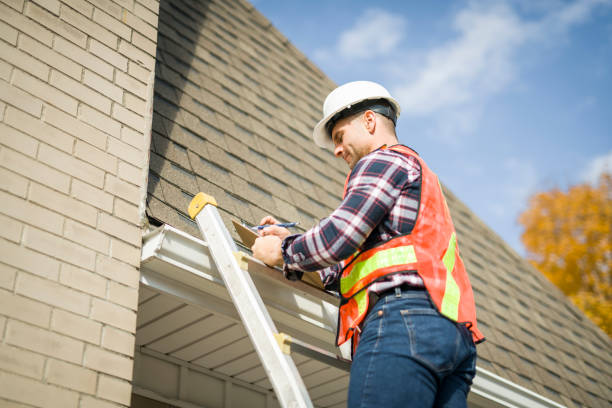
Before starting any roofing project, contractors perform an in-depth inspection of your current roof.
- Identify damage such as leaks, missing shingles, or structural issues.
- Determine whether a complete replacement or repair is necessary.
- Take measurements to provide accurate material estimates and pricing.
During this phase, it’s essential to ask your contractor about any concerns they discover and request a detailed report for reference.
2.Selecting Materials
Once the assessment is complete, you’ll work with your contractor to choose roofing materials that align with your budget, aesthetic preferences, and climate needs.
- Asphalt Shingles: Affordable and suitable for most homes.
- Clay or Concrete Tiles: Long-lasting but heavier in weight.
- Slate Roofing: Elegant and highly durable but one of the costliest options.
Your contractor should provide information about each material’s lifespan, maintenance requirements, and warranties.
3.Preparation of the Worksite
A well-prepared worksite ensures efficiency during installation while protecting your property from damage.
- Removing outdoor furniture or covering landscaping near the home.
- Setting up tarps or plywood to safeguard siding, windows, and walkways.
- Arranging waste disposal systems like dumpsters for old roofing materials.
Discuss these steps with your roofer to guarantee minimal disruption during the project.
4.Tear-Off (If Required)
For most roof replacements, contractors will remove old shingles or other existing materials down to the decking layer. This allows them to examine the underlying structure for rot or damage that may need repairs before new materials are installed.
Some homeowners may opt for a roof layover (installing new shingles over existing ones), though it’s not always recommended as it can conceal structural issues beneath.
5.Roof Deck Inspection and Repairs
After removing old materials, contractors inspect the roof deck—the foundation on which new roofing will be installed—for any signs of moisture infiltration or weaknesses such as mold or wood rot. If problems are detected, repairs or reinforcements are completed before moving forward.
A solid deck provides long-term support for your new roof.
6.Installing Underlayment and Flashing
Underlayment is applied directly onto the decking to serve as a protective barrier against moisture penetration beneath shingles or tiles. Contractors also install flashing around critical areas such as chimneys, vents, valleys, and edges where water runoff may occur frequently.
These components play an essential role in enhancing waterproofing capabilities.
| Component | Purpose |
| Underlayment | Acts as an extra moisture barrier below top-layer materials |
| Flashing | Seals vulnerable points prone to leaks (e.g., chimneys & valleys) |
7.Installing Roofing Materials
With all preparatory steps complete, contractors begin laying down selected roofing materials—whether asphalt shingles, tiles, metal panels—or others—starting at eaves (bottom edges) upwards towards ridges (top peaks).
Key Considerations: – Nails must be spaced evenly & securely fastened across layers
– Ridge vents Or full ventilation gaps eg Gutter alignments factor discussed upfront
The Importance of Hiring a Licensed Roofing Contractor Minneapolis MN for Your Project
Hiring a roofing contractor is an essential part of maintaining or upgrading your home, but not all contractors are created equal. One of the most critical factors when selecting a professional is ensuring they are licensed and insured. This decision can significantly impact the quality of work, your financial security, and your peace of mind.
Benefits of Hiring Licensed Roofing Contractors
A licensed roofing contractor has met all the requirements set by local or state authorities to perform roofing work legally.
- Expert Knowledge and Skills
Licensing typically requires contractors to undergo specific training and testing. This ensures they have a thorough understanding of roofing techniques, materials, and building codes. - Compliance with Local Building Codes
Licensed professionals are familiar with local laws and regulations regarding roofing projects. This reduces the risk of delays or penalties due to non-compliance. - Access to High-Quality Materials
Licensed contractors often have access to premium materials through trusted suppliers, giving you better results compared to unlicensed individuals who may rely on substandard products.
Importance of Hiring Insured Roofing Contractors
Insurance is another critical factor when choosing a roofer.
- Liability Coverage
If an accident occurs on your property during the project, liability insurance shields you from financial responsibility for injuries or damages caused by the contractor or their team. - Property Damage Protection
Accidents can happen during any construction project. A properly insured roofer will cover any damage caused to your property during installation or repair. - Worker’s Compensation Coverage
Worker’s compensation insurance ensures that workers injured on-site are covered without placing financial responsibility on the homeowner.
| Type of Insurance | What It Covers |
| Liability Insurance | Protects homeowners from personal injury claims or accidental property damage |
| Worker’s Compensation | Covers medical expenses for injured workers |
| Property Damage Coverage | Reimburses costs associated with accidental damage |
Risks of Choosing Unlicensed or Uninsured Contractors
- Poor Workmanship
Unlicensed contractors may lack formal training and produce subpar results that require costly repairs in the future. - Legal Issues
In some regions, hiring an unlicensed individual for significant home improvement projects is illegal, which could lead to fines. - Financial Liability
Without insurance coverage, you might have to pay out-of-pocket for damages or medical bills incurred during the project. - Voided Warranties
Manufacturer warranties on roofing materials may be voided if installation isn’t performed by a licensed professional.
How to Verify Licensing and Insurance
- Ask for proof of licensing and insurance upfront.
- Verify credentials through local government websites or industry organizations.
- Request documentation outlining their policy details, including coverage terms and limits.
- Check reviews online and ask for references from past clients.
Choosing a licensed and insured roofing contractor is not just about compliance; it’s about ensuring safety, quality workmanship, and protecting your investment in your home. By prioritizing these qualifications during your selection process, you can avoid unnecessary headaches while achieving durable results that stand the test of time.
What You Should Know About Roof Layovers Before Making a Decision
Roof layovers, while often presented as a cost-effective alternative to a full roof replacement, come with their own set of benefits and considerations. If you’re contemplating whether a roof layover is the right approach for your home, it’s essential to understand the mechanics of this process and how it might impact your property in the long run.
What Is a Roof Layover?
A roof layover involves installing a new layer of shingles directly over an existing one rather than removing the old roofing material. While this method can save time and reduce costs upfront, it’s not always suitable for every situation. Layovers are typically more common with asphalt shingles due to their lightweight nature and ease of installation.
Advantages of Roof Layovers
- Cost Savings: Eliminating the need for tear-off reduces labor expenses and disposal fees.
- Faster Installation: Since there’s no need to remove the old roofing material, the process is quicker.
- Temporary Solution: Layovers can be an effective short-term solution if you’re delaying a complete roof replacement.
Potential Drawbacks to Consider
- Weight Concerns: Adding an additional layer increases the overall weight on your roof structure, which could lead to structural stress over time.
- Hidden Damage: Any issues with your existing shingles or underlying decking may remain undetected without removal of the old layer. This can lead to bigger problems down the road.
- Reduced Lifespan: The added heat retention caused by multiple layers can shorten the lifespan of both new and old shingles.
- Less Aesthetic Appeal: With two layers, roofs may appear uneven or lumpy compared to single-layer installations.
Key Questions To Ask Your Contractor About Layovers
- Is my home’s current roofing structure strong enough to support additional weight?
- Are there any visible signs of damage or leaks under my existing shingles that could worsen over time?
- What warranties apply if I choose this option versus a complete replacement?
- How will this affect ventilation or insulation performance in my home?
When Is A Roof Layover Not Recommended?
- If there are already two layers of shingles present (most building codes prohibit adding more).
- If significant water damage or rot exists within your underlying decking.
- For homes located in areas prone to extreme weather conditions like high winds or heavy snowfall.
In these cases, investing in a full tear-off replacement is likely more beneficial despite higher upfront costs.
| Factors | Roof Layover | Full Tear-Off |
| Cost | Lower | Higher |
| Installation Time | Faster | Slower |
| Structural Stress | Higher | Lower |
| Longevity | Shorter Lifespan | Longer Lifespan |
Understanding these distinctions will help you make an informed decision tailored to your home’s needs while ensuring long-term durability and peace of mind regarding your investment.
What You Should Know About Roof Layovers Before Making a Decision
A roof layover, sometimes referred to as roof overlay, is when new shingles are installed directly over existing ones without removing the old roofing material. While this approach can be cost-effective and time-saving, it’s essential to fully understand the implications before making a decision. Below, we’ll explore the pros and cons of roof layovers, factors to consider, and when this option might be appropriate.
Advantages of Roof Layovers
Roof layovers can offer several benefits depending on the condition of your existing roof.
- Cost Savings: Since removing old shingles is not required, you save on labor costs and disposal fees for debris.
- Reduced Installation Time: Without the need for tear-off and cleanup, contractors can complete the job much faster than a full replacement.
- Environmental Benefits: Fewer materials end up in landfills since no old shingles are removed.
- Improved Aesthetics: New shingles add fresh curb appeal to your home by providing a polished look over worn-out materials.
Disadvantages of Roof Layovers
- Added Weight: A second layer of shingles increases the overall weight on your roof structure, potentially leading to structural strain if your home isn’t designed to handle it.
- Hidden Damage: Existing issues such as rot or leaks may go unnoticed because they are hidden beneath layers of shingles. This can result in costly repairs later on.
- Decreased Lifespan: The lifespan of a layover roof may be shorter compared to a complete tear-off due to heat buildup and poor ventilation between layers.
- Limited Repairs in Future: If additional problems arise down the road, fixing them may require removing multiple shingle layers—making repairs more labor-intensive and expensive.
Factors to Consider Before Choosing a Roof Layover
Not all roofs are suitable for layovers; careful evaluation is key before proceeding with this option.
| Factors | Questions to Ask | Importance Level |
| Current Condition of Roof | Are there signs of significant damage or leaks? | High |
| Number of Existing Layers | Does your home already have multiple layers? | High |
| Local Building Codes | Are overlays permitted in your area? | Medium |
| Structural Integrity | Can your roof support extra weight safely? | High |
| Ventilation | Will adding another layer affect ventilation? | Medium |
When Is a Roof Layover Appropriate?
A roof layover is generally only suitable under specific conditions: 1. The existing shingles must be in relatively good condition with no signs of warping or extensive wear. 2. There should only be one layer of existing shingles already installed (most building codes do not allow more than two layers). 3. The decking underneath needs to be intact and free from moisture damage or rot. 4. Your region’s climate should support this method—areas with extreme weather fluctuations may not benefit from overlays due to thermal stress.
Alternatives if a Layover Isn’t Right for You
If you discover that a layover isn’t ideal for your situation, consider these alternatives: – Full Tear-Off Replacement: This allows contractors to start fresh by addressing underlying issues like damaged decking or poor insulation. Partial Repairs: If damage is localized, repairing just the affected area might suffice instead of installing new layers across the entire surface.
Making an informed decision about whether a roof layover is right for you requires careful thought and professional guidance from licensed contractors who understand both local regulations and best practices in roofing installation techniques.
- Understanding the Role of a Minneapolis Roofing Company: What Do Roofing Experts Do?
- Top 5 Factors to Consider When Choosing the Best Minneapolis Roofing Company for Your Needs
- Why Hiring a Professional Roofer Minneapolis MN is Essential for Your Home or Business
- 7 Important Questions Every Homeowner Should Ask Their Roofer Minneapolis MN Contractor
- How Ignoring Early Warning Signs Can Turn Into Expensive Roof Repair
- How to Identify Hail Damage with a Roofing Contractor Minneapolis MN