Understanding the Role of a Minneapolis Roofing Company: What Do Roofing Experts Do?

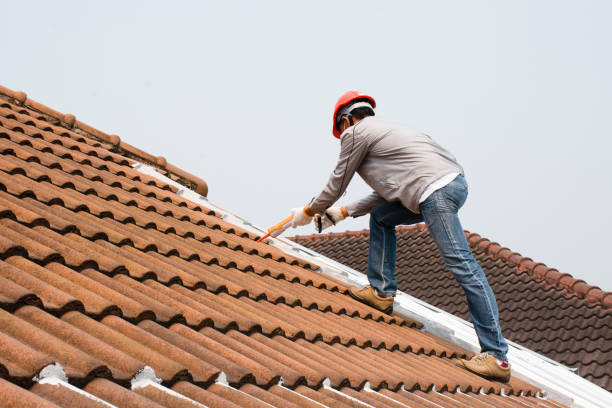
A roofing contractor is a skilled professional specializing in the installation, repair, and maintenance of roofs. They play an integral role in ensuring the structural integrity, safety, and appearance of your home or commercial building. Let’s delve into their essential responsibilities to better understand what they do.
Core Responsibilities of Roofing Contractors
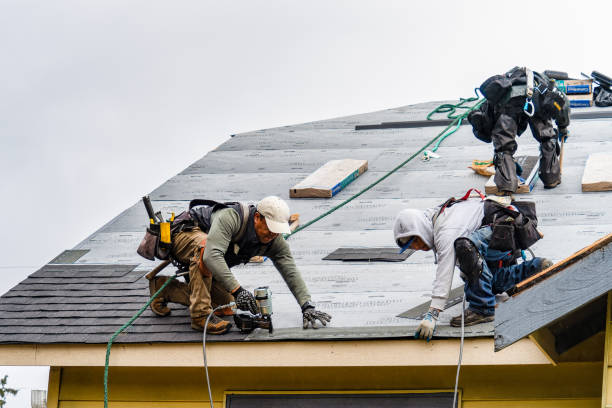
- Installing new roofs for residential and commercial properties is one of their primary tasks.
- Contractors work with various roofing materials such as asphalt shingles, metal panels, tiles, or flat roofs to meet specific needs.
- Identifying leaks, damaged shingles, or structural issues and repairing them promptly to prevent further damage.
- Addressing storm damage or wear and tear caused by aging and ensuring long-term durability.
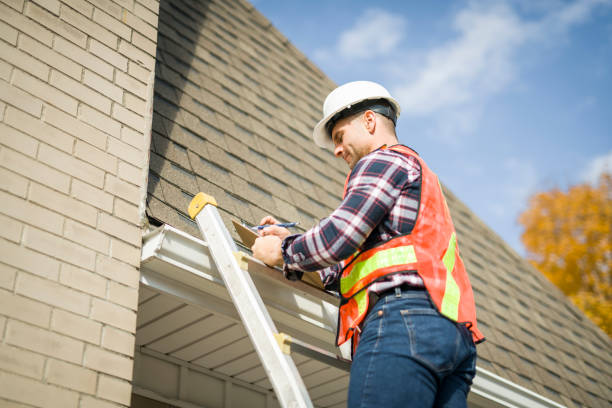
- Conducting routine inspections to assess potential problems before they escalate into costly repairs.
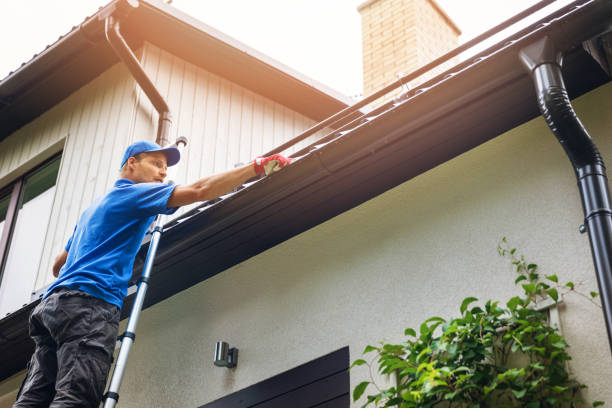
- Cleaning gutters, removing debris from rooftops, and checking for weak spots that may compromise the structure over time.
- Evaluating when repair work is no longer sufficient and advising on complete roof replacement options.
- Ensuring compliance with local building codes during the replacement process.
- Offering expert advice on roofing materials suited to the property’s design and environmental factors.
- Providing insights on energy-efficient roofing solutions like cool roofs or solar panel installations.
Skills & Expertise of Roofing Contractors
- Technical Knowledge: Expertise in handling diverse materials (asphalt shingles, slate tiles, wood shakes) ensures high-quality results tailored for different climates.
- Problem-Solving Skills: Ability to diagnose complex issues such as water penetration points or ventilation problems effectively.
- Safety Compliance: Trained to adhere strictly to safety standards while working at heights or using heavy tools.
- Project Management Abilities: Coordinating timelines, budgets, material acquisition, and workforce management are part of their responsibilities.
Benefits of Hiring a Professional Roofing Contractor
- Quality Assurance: Professional contractors deliver durable results backed by warranties on materials and workmanship.
- Time Efficiency: With specialized tools and expertise at their disposal, they complete projects faster than DIY methods might allow.
- Cost Savings Over Time: Proper installation reduces the need for frequent repairs down the line.
- Insurance Assistance: Experienced roofers can assist homeowners in navigating insurance claims related to storm damage.
Common Challenges They Address
| Issue | Solution Provided by Contractors |
| Leaks caused by aging materials | Comprehensive inspections followed by targeted repairs |
| Storm-related damages | Fast response services to minimize further deterioration |
| Poor insulation | Recommending energy-efficient roof designs |
| Improper previous installations | Corrective measures ensuring compliance with regulations |
Understanding what a roofing contractor does highlights their vital contribution to safeguarding your property’s longevity while enhancing curb appeal. Their expertise ensures peace of mind whether you’re installing a new roof or maintaining an existing one for years ahead.
Hiring a Reputable and Experienced Roofing Contractor Minneapolis MN for Your Home
When it comes to maintaining or replacing your roof, hiring a reputable and experienced roofing contractor like https://www.minneapolisroofingcompany.net is a decision that significantly impacts the quality, durability, and lifespan of your roof. With so many options available, choosing the right professional might seem daunting; however, understanding their value can make this choice clearer.
Why Does Experience Matter?
Experienced contractors bring years of hands-on knowledge to the table. Their expertise allows them to identify problems quickly and recommend effective solutions.
- High-Quality Materials: Experienced contractors understand which materials perform well in specific weather conditions and can recommend products suited for your location.
- Fewer Errors: Professionals with years of practice are less likely to make costly mistakes during installation or repairs.
- Problem-Solving Skills: A seasoned contractor has likely seen a variety of roofing issues in the past and knows how to handle unexpected challenges effectively.
The Benefits of Reputation
Reputation serves as a critical indicator of a contractor’s reliability and workmanship. A well-regarded roofer is more likely to prioritize customer satisfaction.
- Proven Track Record: Contractors with strong reputations often have portfolios showcasing their previous work, making it easier for you to assess their capabilities.
- Positive Customer Reviews: Reading testimonials from past clients provides insights into how the contractor handles projects, communicates timelines, and resolves issues.
- Accountability: Reputable roofers are more likely to stand by their work, offering warranties or guarantees on services provided.
Questions to Ask Before Hiring
- Are you licensed and insured?
- Can you provide references from past clients?
- Do you offer warranties on materials or labor?
- What safety measures do you follow on job sites?
- How do you handle unexpected issues that arise during a project?
Red Flags When Choosing Contractors
Avoiding untrustworthy contractors can save you time, money, and frustration down the line.
- Lack of licensing or insurance coverage
- Reluctance to provide written estimates
- High-pressure sales tactics
- Unreasonable payment terms (e. g.
| Feature | Trustworthy Contractor | Unreliable Contractor |
| Licensing & Insurance | Fully licensed & insured | Unlicensed or uninsured |
| Estimates | Provides detailed written quotes | Offers vague verbal estimates |
| Reviews & References | Positive testimonials available | Few or no reviews available |
| Payment Terms | Fair schedule (e.g., partial upfront) | Requests full payment before work begins |
Long-Term Value Over Cost Savings
While cost is an important factor when selecting a contractor, prioritizing quality over short-term savings ensures better results in the long run. A low-cost provider may cut corners on materials or workmanship, leading to expensive repairs later on.
By hiring an experienced and reputable roofing contractor, homeowners can enjoy peace of mind knowing their roofs will be installed or repaired correctly using high-quality materials by skilled professionals who stand behind their work.
Choosing wisely today protects both your home and wallet tomorrow—an investment that’s well worth making for one of your home’s most critical components.
Expert Roof Installation and Replacement by a Trusted Roofer Minneapolis MN
Roof installation and replacement are major projects that require expertise, precision, and careful planning. When done correctly by professional contractors, these processes ensure the longevity, safety, and functionality of your home’s roofing system. Below is a detailed guide covering what you can expect during roof installation or replacement and what makes professional contractors integral to this process.
The Key Phases of Roof Installation and Replacement
- Initial Assessment and Inspection
Before any work begins, a professional contractor will conduct a detailed inspection of the existing roof. - Structural issues such as sagging or damaged decking.
- Signs of moisture damage or leaks.
- The type and condition of the existing roofing materials.
A thorough inspection helps contractors determine whether repairs, partial replacements, or a complete roof overhaul is necessary.
- Material Selection
Professional roofing contractors guide homeowners in selecting materials that align with: - Budgetary constraints.
- Local climate conditions (e. g. , asphalt shingles for durability or metal roofing for its lightweight properties).
- Aesthetic preferences to match the home’s design.
- Preparing the Roof Area
Proper preparation ensures efficient installation: - Removal of old shingles (if applicable).
- Repairing or replacing damaged decking layers underneath the roof surface.
- Installing underlayment for added protection against moisture infiltration.
- Installation Process
Roofing material installation occurs in carefully planned steps: - Laying down starter strips along edges.
- Installing shingles or other chosen materials row by row.
- Sealing edges, vents, and chimneys to prevent leaks.
- Final Inspection and Cleanup
A reputable contractor conducts a post-installation inspection to verify workmanship quality, ensuring all components are securely in place without gaps or loose fittings. Cleanup involves removing debris like old shingles or nails from the property.
Benefits of Hiring Professionals for Roof Installation
Choosing experienced contractors ensures superior results while minimizing potential issues during or after installation.
- Expertise: Trained contractors bring years of experience in handling complex installations across different property types.
- Warranty Options: Many contractors offer warranties on both labor and materials.
- Safety Precautions: Professionals use proper tools and safety equipment to minimize accidents during projects.
- Compliance With Local Codes: Contractors ensure your new roof adheres to building codes specific to your region.
Comparison Table: DIY vs Professional Roof Installation
| Features | DIY Installation | Professional Contractor |
| Skill Level Required | High | Expertise-backed |
| Cost Efficiency | Lower upfront costs but higher risk | Long-term savings |
| Time Investment | Significant | Efficient timeline |
| Warranty Provided | None | Often included |
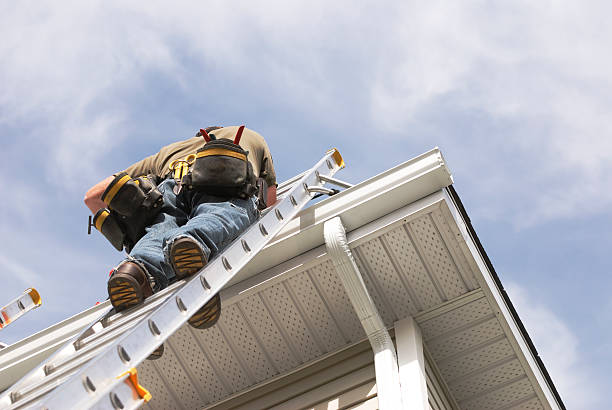
How Long Does Roof Replacement Take?
The duration varies based on several factors such as roof size, material type chosen (e. g. , metal takes less time compared to tile), weather conditions, and complexity of removal processes if old layers exist. Typically: – Small residential roofs may take 1–3 days. – Larger homes could require 4–7 days for completion.
Working with seasoned professionals ensures timely project execution without compromising quality standards.
Whether you’re installing a new roof on a newly constructed home or replacing an aging structure, hiring qualified contractors is critical for achieving lasting protection against external elements while enhancing curb appeal effectively.
Key Factors to Consider When Choosing Roofing Services Minneapolis MN for Your Roof Assessment
When it comes to roofing projects, the initial consultation and roof assessment are critical steps. These stages ensure that both homeowners and contractors are aligned on the scope of work, project requirements, and potential costs. A thorough consultation sets the foundation for a successful roofing project.
Key Elements of an Initial Consultation
A professional roofing contractor will typically follow a structured approach during the initial consultation.
- Discuss your goals, concerns, and expectations for the project.
- Identify specific issues such as leaks, energy inefficiency, or visual damage.
- Review any prior maintenance or repairs done to your roof.
- Preliminary Questions
Contractors may ask questions to better understand the structure of your home and your preferences: - What year was the roof installed?
- Do you prefer specific materials (e. g. , asphalt shingles, metal roofing)?
- Project Timeline Discussion
The contractor will outline how long they anticipate the project will take based on their current workload and weather conditions. - Budget Considerations
While exact pricing may come later in a detailed proposal, contractors often provide general estimates based on initial observations.
Comprehensive Roof Assessment Process
After discussing objectives during the consultation phase, professionals conduct an in-depth roof evaluation to determine its condition and identify any underlying problems.
- Inspect shingles for curling, cracking, or missing pieces.
- Look for signs of water damage such as discoloration or stains on ceilings.
- Assess flashing integrity around chimneys, vents, and other penetrations.
- Check for sagging areas that indicate structural compromise.
- Examine gutters for clogs or signs of poor drainage that could impact roofing health.
- Evaluate attic ventilation to ensure proper airflow.
- Poor ventilation can lead to moisture buildup which damages insulation and roof decking over time.
- Moisture Detection Tools Professionals often use tools like infrared cameras or moisture meters to detect hidden water damage beneath shingles or within attic spaces.
Outcome of Consultation & Assessment
Following these steps, contractors compile their findings into a detailed report or proposal.
| Component | Details |
| Roof Condition Summary | Overview of existing issues |
| Recommended Repairs/Upgrades | Suggested fixes based on inspection |
| Material Options | Information about available materials |
| Cost Estimate | Breakdown of labor costs & material fees |
| Project Timeline | Estimated duration from start to finish |
Beyond Inspection: Building Trust with Communication
An effective initial consultation isn’t just about identifying problems; it’s also an opportunity to build trust with your contractor. Open communication ensures all parties understand expectations while addressing any uncertainties before work begins.
By prioritizing these steps in consultations and assessments, professional roofing contractors establish themselves as reliable experts who value precision and customer satisfaction.
Roof Repair: Tear-Off vs Overlay – Choosing the Best Option for Your Home
Both methods come with their own advantages and disadvantages, and choosing the right approach depends on your home’s specific condition, budget, and long-term goals. Below is a detailed guide to help you understand these options and make an informed decision.
Benefits of Tear-Off:
– Inspection of Underlying Integrity: Removing old materials allows contractors to assess the deck for any damage or rot that could compromise the new roof’s stability.
– Longer Lifespan: A tear-off ensures that the new roofing system is applied directly to the decking without any interference from old materials.
– Enhanced Curb Appeal: Starting fresh can eliminate bumps or uneven surfaces caused by multiple layers of shingles.
Drawbacks of Tear-Off:
– Higher Cost: Labor and disposal fees for removing old shingles can make this option more expensive upfront.
– Time-Intensive Process: A tear-off generally takes longer than an overlay due to the additional steps involved.
What is an Overlay?
An overlay involves placing new shingles over the existing layer without removing the old roofing material.
Benefits of Overlay:
– Cost-Efficient: Since there’s no need for demolition or disposal of old materials, overlays tend to be more budget-friendly.
– Quicker Installation Time: With fewer steps involved, contractors can complete an overlay in less time compared to a tear-off.
Drawbacks of Overlay: – Shorter Lifespan: Adding new shingles on top of old ones doesn’t address any underlying issues with your roof’s structure or decking.
– Weight Concerns: Additional layers add extra weight to your home’s structure, which may lead to sagging over time if not properly supported. Potential Voiding of Warranty: Some manufacturers may void warranties on new shingles if they are installed as part of an overlay.
Key Considerations When Deciding Between Tear-Off and Overlay
| Factor | Tear-Off | Overlay |
| Budget | Higher initial investment | Lower cost |
| Longevity | Longer lifespan | Shorter lifespan |
| Structural Condition | Required inspection | Pre-existing issues remain hidden |
| Local Building Codes | Must comply | Check limits on shingle layers |
Consulting a Roofing Expert
Before moving forward with either option, it’s essential to consult with a professional roofing contractor who can evaluate your specific situation. A qualified expert will inspect your current roof’s condition, determine whether it meets local building codes and offer recommendations tailored to your needs.
Here are some questions you may want to ask during consultations: 1. Does my roof have structural damage that requires repair before installation?
2. How many layers of shingles are currently on my roof?
3. Will adding another layer affect my home’s overall integrity?
4. Are there long-term cost savings associated with choosing one method over another?
How Many Layers of Shingles Can You Have on Your Roof?
When it comes to maintaining or replacing your roof, understanding how many layers of shingles are permissible is a critical consideration. While adding an additional layer may seem like a cost-saving measure, there are structural, safety, and longevity factors that need to be weighed carefully. Let’s explore the key considerations for determining the number of shingle layers your roof can support.
Building Code Regulations
Building codes vary by location but typically limit the number of shingle layers to ensure safety and structural integrity. two layers of asphalt shingles.
- A second layer adds significant weight to your roof.200 to 250 pounds per square(100 square feet). Adding another layer doubles this weight, which could exceed the load-bearing capacity of older or poorly designed structures.
- Excessive weight can lead to sagging roofs or even structural collapse over time.
Always consult local building codes or your roofing contractor for specific restrictions in your area before considering multiple shingle layers.
Benefits
- Skipping the tear-off process can reduce labor costs and shorten project timelines.
- Avoiding removal generates less construction debris, making it an eco-friendlier option.
Risks
- Adding a second layer traps heat and moisture between layers, accelerating material deterioration.
- Hidden damage such as leaks or rot beneath the original layer often goes undetected without full removal.
- Uneven surfaces from existing damage may create visible imperfections with overlaying shingles.
Key Factors To Consider
| Factor | Tear-Off Recommended | Overlay Feasible |
| Roof Condition | Significant damage present | Structure in good shape |
| Budget Constraints | Allows higher expenditure | Focused on cost savings |
| Long-Term Goals | Maximizing durability | Short-term solution |
| Building Age | Older homes (pre-1980s) | Newer constructions |
Expert Recommendations
Most professional roofing contractors advise against having more than two layers of shingles due to safety concerns and long-term performance issues.
- Always conduct a thorough inspection before deciding on overlays.
- Ensure proper ventilation systems are installed to prevent excess heat buildup.
- If your existing roof shows signs of leaks, sagging, or mold growth, opt for a complete tear-off rather than layering over potential problems.
By carefully evaluating regulations, your budget, and the long-term needs of your home, you can make an informed choice about how many shingle layers are suitable for your roofing project while ensuring structural safety and optimal performance for years ahead.
Do You Pay Roofers Before or After Installation?
When working with roofing contractors, understanding payment practices is crucial. Knowing when and how to pay roofers ensures a smoother process while protecting your investment. Below, we delve into common payment practices and key considerations when hiring a roofing contractor.
Common Roofing Payment Practices
Reputable roofing contractors typically follow established payment structures to balance financial security for both parties.
- Deposit or Down Payment:
Many contractors require a percentage of the total project cost upfront as a deposit. - Typical range: 10-30% of the total project cost
- Larger deposits may raise red flags; confirm local regulations on allowable deposit amounts
- Milestone Payments:
Some contractors may prefer payments staggered across project milestones, such as: - Initial deposit before work begins
- A second payment after completing a specific phase (e. g.
- Final payment upon completion and approval of the work
- Final Payment Upon Completion:
The bulk of reputable roofing contractors will request the remaining balance only after completing the job to your satisfaction. Always perform a thorough inspection before making this final payment.
Pros and Cons of Upfront Payments
While deposits are standard, paying too much upfront can expose you to risks if the contractor does not deliver quality work or fails to complete the project altogether.
Pros:
– Ensures commitment from both parties – Covers material procurement costs for high-quality supplies
Cons:
– May leave little leverage in case issues arise during construction – Riskier with contractors lacking an established reputation or references
Best Practices for Roofing Payments
- Request a Written Agreement: Ensure all terms, including payment schedules, are clearly spelled out in writing within your contract.
- Avoid Paying in Cash: Always use traceable methods such as checks, credit cards, or electronic transfers for better documentation and dispute resolution if needed.
- Inspect Work Before Final Payment: Before releasing final funds:
- Confirm all agreed-upon tasks are completed
- Verify warranty terms and obtain any necessary documentation
- Beware of Full Upfront Payments: Legitimate companies should not ask for full payment before starting work.
Sample Payment Table
| Payment Stage | Typical Percentage Due | Notes |
| Initial Deposit | 10-30% | Secures materials and schedules job |
| Midpoint/Milestones | Varies | Based on agreed-upon project progress |
| Final Payment | Remainder | Upon completion and customer approval |
Warning Signs of Untrustworthy Contractors
- Requests for full payment upfront without valid justification.
- Refusal to provide written contracts that outline costs and timelines.
- Vague explanations regarding warranties or post-installation services.
By following these best practices and ensuring clear communication with your roofing contractor, you can safeguard your investment while achieving quality results for your home’s roof replacement or repair project.
- Understanding the Role of a Minneapolis Roofing Company: What Do Roofing Experts Do?
- Top 5 Factors to Consider When Choosing the Best Minneapolis Roofing Company for Your Needs
- Why Hiring a Professional Roofer Minneapolis MN is Essential for Your Home or Business
- 7 Important Questions Every Homeowner Should Ask Their Roofer Minneapolis MN Contractor
- How Ignoring Early Warning Signs Can Turn Into Expensive Roof Repair
- How to Identify Hail Damage with a Roofing Contractor Minneapolis MN